

Second fix carpentry is often where a commercial fit out starts to feel complete. Walls, services and structural work may set the shape of a project, but doors, linings, skirting, architraves, trims and fitted timber details are the elements people touch, see and use every day.
For buyers comparing commercial carpentry contractors, understanding where second fix sits in the programme helps you ask better questions, plan more confidently and judge quality before handover.
What second fix carpentry includes in a fit out

In a commercial fit out, second fix carpentry usually covers the timber items installed after the main structure, partitions, services and plastering are in place. It is the stage that brings definition, protection and usability to the internal space.
Typical second fix work can include internal doors, frames, linings, architraves, skirting boards, window boards, trims, boxing, ironmongery, fitted counters, timber wall details and other finishing joinery. The exact scope depends on the building type, design package and specification.
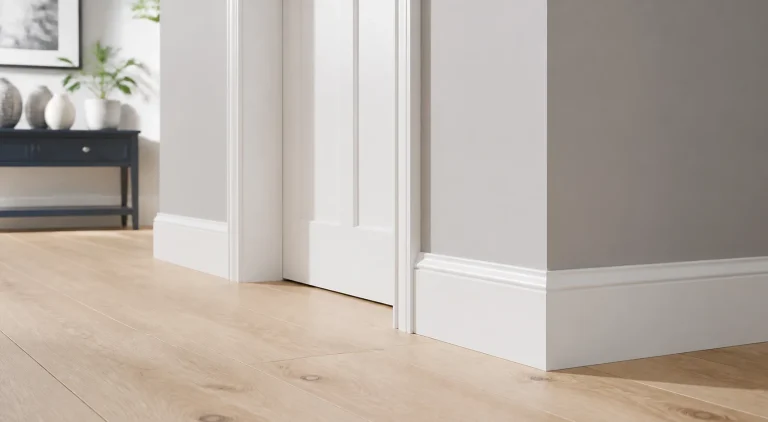
It is helpful to see second fix as the connection between construction work and the finished user experience. A door has to open smoothly, close securely and meet its intended performance. Skirting has to protect walls and create a neat junction with the floor. Architraves have to frame openings cleanly and hide the necessary construction joint behind them.
For a closer look at this part of the trade, MW Carpentry explains its second fix carpentry service in more detail.
Why timing matters for second fix

Second fix carpentry relies on other trades reaching the right stage first. If plasterboard, plastering, flooring or decoration are not ready, installing finished timber too early can create avoidable rework. If carpentry is left too late, it can affect snagging, access, security and the final push towards handover.
A good commercial fit out programme allows second fix carpenters to work in clear sequences. Door sets may need to follow partition completion. Skirting may need to wait until floors are installed or confirmed. Ironmongery may need coordination with access control, fire strategy and the employer requirements.
This is why experienced commercial carpentry companies do not treat second fix as a simple finishing task. They look at drawings, door schedules, material lead times, access routes and the order in which areas will be handed over. That planning helps the work progress cleanly without crowding the site or holding up other trades.
Second fix is also closely tied to snagging. Small misalignments can stand out once decoration and lighting are complete, so it pays to get the fundamentals right first time. Neat margins, consistent levels and tidy junctions all make the wider fit out feel more controlled.
How second fix affects quality and daily use
Second fix carpentry carries a lot of the visible quality in a commercial space. Visitors may not notice the setting out behind a wall, but they will notice doors that sit unevenly, trims that do not meet cleanly or skirting that waves along a corridor.
Good second fix work is measured by consistency. Door gaps should look deliberate. Architraves should be square and secure. Skirting should follow the agreed line neatly. Fitted timber details should feel robust enough for regular use, especially in busy environments where surfaces are touched, knocked and cleaned often.
There is also a practical side. Doors contribute to movement, privacy, security, acoustics and fire safety, depending on the specification. Skirting protects wall bases from knocks. Boxing and access panels can help conceal services while keeping important maintenance points reachable.
The smaller details deserve attention because they reveal workmanship quickly. The relationship between trims, walls, floors and openings is one reason architraves and skirting reveal carpentry quality so clearly.
Coordination with other fit out trades

Second fix carpentry rarely happens in isolation. It often sits between drylining, flooring, decorating, mechanical and electrical work, access control, glazing, fire stopping and final cleaning. Clear communication keeps these interfaces simple.
For example, a door frame may need to match the wall build up. Ironmongery may need to suit access systems. Skirting may need to meet floor finishes cleanly. Service boxing may need to allow inspection access. Timber details around reception areas, meeting rooms or shared spaces may need to align with furniture, lighting and finishes.
Commercial carpentry contractors add value by spotting these overlaps early. They can query missing information, check that door schedules match site conditions and make sure timber items are installed in a way that supports the whole design, not just their own package.
That coordination is especially important where the fit out has a strong operational purpose. Office areas, customer spaces, staff rooms and circulation routes all need to work well after handover. Carpentry can help make those areas practical, durable and visually ordered, which is also explored in the context of functional workspace carpentry.
What buyers should check before appointing a contractor
When comparing commercial carpentry companies, it helps to ask questions that reveal how they plan, coordinate and finish second fix work. Price matters, but the way a contractor thinks about the work often tells you more about the likely result.
Useful points to discuss include:
- Whether they have reviewed the door schedule, finishes schedule and relevant drawings.
- How they plan to sequence areas around other trades.
- What information they need before ordering or installing materials.
- How they manage quality checks before decoration and handover.
- Whether they can handle both standard second fix items and more detailed fitted timber work.
You should also look for a contractor who understands the wider commercial environment. Site conduct, health and safety, communication and programme awareness all matter. A tidy, skilled carpentry package can support the whole fit out team, especially when deadlines and handover requirements are clear.
MW Carpentry covers broader fit out and site support through its commercial carpentry service, which sits naturally alongside second fix work.
How second fix supports the final handover

By the time a project reaches final handover, second fix carpentry should help the space feel resolved. Doors should operate properly. Edges should be protected. Openings should look complete. Fitted timber details should match the intended use of the space.
A strong second fix package also makes snagging more straightforward. When work has been set out carefully and checked as it progresses, the final review is less likely to be dominated by avoidable carpentry issues. That gives the wider team more confidence as the building moves towards occupation.
Second fix is sometimes described as finishing work, but that can undersell its role. In a commercial fit out, it is a practical package that affects safety, durability, appearance and daily use. It needs planning, skill and a clear understanding of how the finished space will operate.
For buyers, the main lesson is simple. Do not leave second fix carpentry as an afterthought. Bring the contractor into the conversation early enough to review details, flag questions and help the programme run smoothly.
- Second fix carpentry includes visible and usable items such as doors, skirting, architraves, trims and fitted timber details.
- Its timing depends on the wider fit out sequence, including partitions, services, floors and decoration.
- Quality second fix work improves appearance, durability, daily use and final snagging.
- The best commercial carpentry contractors plan around drawings, schedules, other trades and handover requirements.
- Buyers should judge contractors on coordination and workmanship, not just the item list.
Frequently asked questions
What is second fix carpentry in a commercial fit out?
Second fix carpentry is the installation of finished internal timber items after the main structure and first fix work are complete. It commonly includes doors, frames, linings, architraves, skirting, trims, ironmongery and fitted timber details.
When should second fix carpentry happen?
It normally happens once walls, partitions, services and relevant preparation work are ready. The exact timing depends on the project sequence, floor finishes, decoration plan, door schedules and access requirements.
Why is second fix important for commercial spaces?
Second fix carpentry affects how the space looks, works and stands up to daily use. Doors, trims, skirting and fitted details are visible, practical items that can influence safety, durability, movement, privacy and the final quality of the fit out.
What should I ask a commercial carpentry contractor about second fix?
Ask how they will sequence the work, what drawings and schedules they need, how they coordinate with other trades and how they check quality before handover. Their answers should show planning, site awareness and attention to detail.
Planning a second fix package?
Speak to MW Carpentry about the role of second fix carpentry in your commercial fit out and how the work can be planned clearly from the start.