
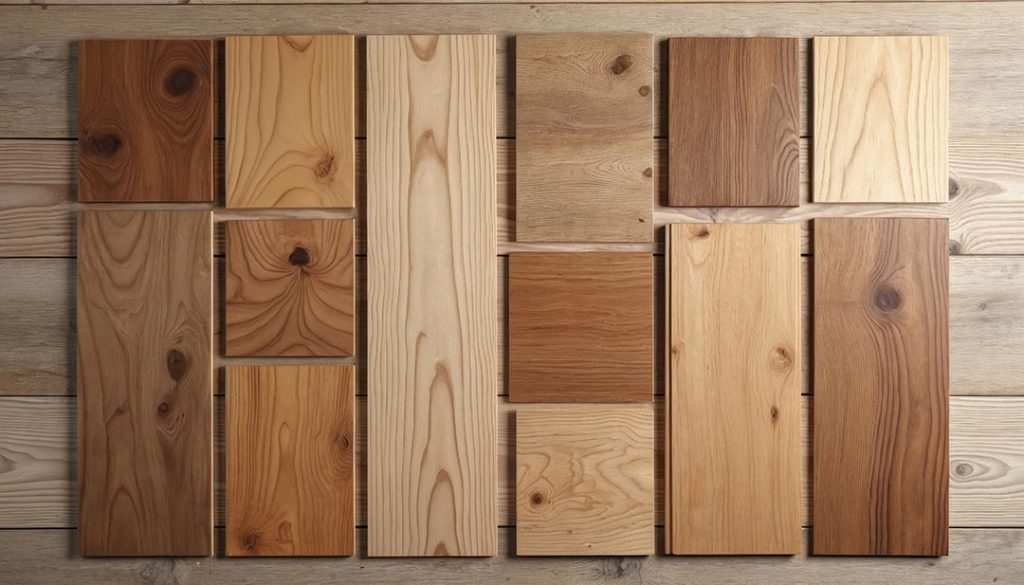
Picking timber can feel oddly high stakes. You’re looking at stacks of boards that all seem similar, then you notice one is heavier, one has tighter grain, another has knots exactly where you don’t want them. And suddenly the question isn’t “hardwood or softwood?” — it’s “what’s going to look right, last well, and not cause hassle later?”
Hardwood vs softwood is a useful starting point, but it’s not the whole story. Some softwoods perform brilliantly in the right setting, and some hardwoods can be a pain if they’re used in the wrong environment or fitted before they’ve settled. In this guide, we’ll break it down in plain English, with practical examples so you can choose the right timber for your project with a bit more confidence.
Quick note: if you’re planning a larger build, refurbishment, or anything structural, M&W Carpentry Contractors can help you specify timber properly (grade, moisture, fixings, detailing) so the finished work performs as well as it looks. You can explore our services for commercial carpentry and residential carpentry if you want a sense of what we cover.
 Hardwood vs softwood: what the labels actually mean
Hardwoods generally come from broadleaf trees (think oak, ash, beech, walnut). Softwoods come from conifers (pine, spruce, cedar, larch). That’s the simple definition.
What catches people out is the assumption that hardwood is always harder. It often is, but not always. Hardness and durability depend on species, density, how the timber was dried, and the environment it ends up in. So rather than treat hardwood as “premium” and softwood as “cheap”, it’s better to think in terms of suitability.
- Hardwoods are often chosen for visible joinery, high wear areas, and natural finishes where grain matters.
- Softwoods are often chosen for structural work, roof frameworks, and paint finish joinery.
Where hardwoods tend to shine
Hardwoods usually make sense when the timber is going to be seen, touched, or knocked about daily. They can offer better dent resistance and a more refined finish, especially when you want a clear oil or lacquer rather than paint.
Common hardwood choices for
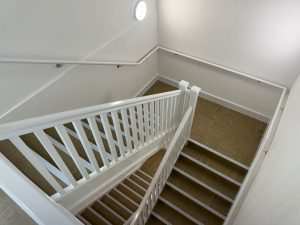
- Staircases and handrails – constant contact, constant wear.
- Flooring – particularly in busy hallways, living spaces, and open plan layouts.
- Feature joinery – bespoke shelving, fitted cabinetry, statement details.
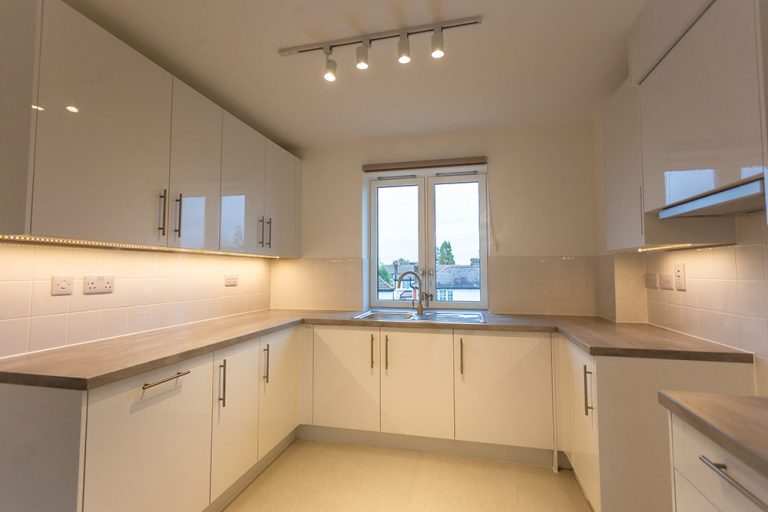
- High impact trim – skirting, architraves, window boards where crisp lines matter.
If you’re investing in hardwood for a visible finish, it’s worth having it installed and finished properly. That’s the difference between “nice timber” and something that actually looks intentional. This is the kind of detail-led work M&W often delivers as part of our 2nd fix carpentry packages, where the final finish really matters.
Where softwoods are the smart choice
Softwoods are popular for good reasons: they’re widely available, cost effective, lighter to handle, and typically easier to work with. In plenty of projects, softwood isn’t a compromise at all — it’s simply the right material for the job.
 Common softwood choices for
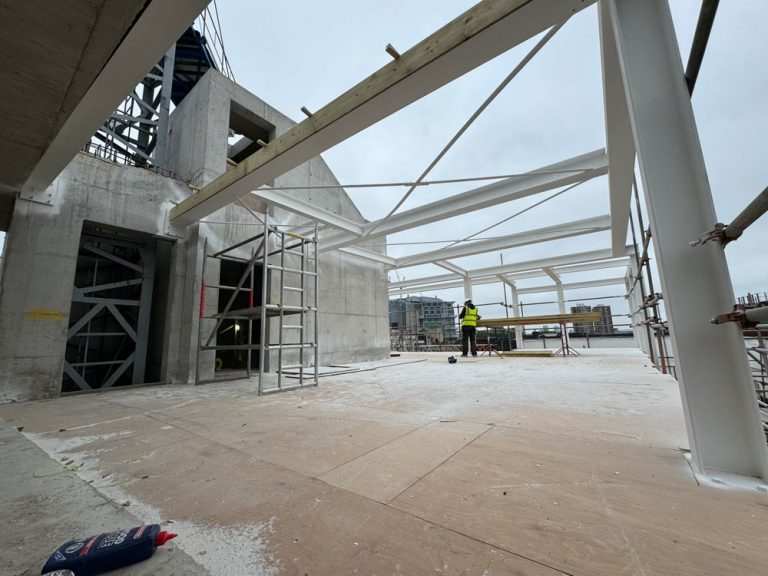
- Structural framing – stud walls, partitioning, general carcassing.
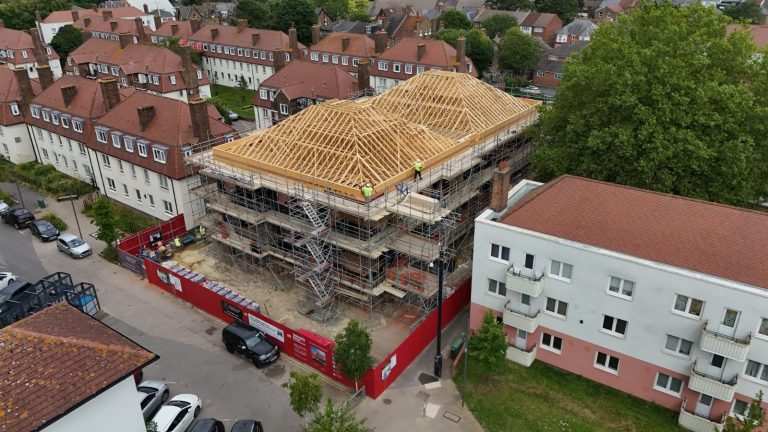
- Roof structures – rafters, joists, trusses, dormer work, strengthening.
- First fix carpentry – the bones of the build before plasterboard and finishing.
- Paint finish joinery – where prep and paint system matter more than dramatic grain.
If you’re doing structural work, roof timber, or extensions, this typically falls under 1st fix carpentry and roofing carpentry. It’s exactly the sort of work M&W Carpentry Contractors handle daily, where accuracy, straightness, and correct fixing matter just as much as the timber choice itself.
Durability, movement, and moisture: what causes problems later
If timber projects go wrong, it’s often not because someone chose hardwood instead of softwood. It’s more likely because the timber wasn’t suited to the environment, wasn’t dry enough, or wasn’t detailed to shed moisture.
Timber movement (the bit nobody thinks about until it squeaks)
Wood moves with humidity. In UK homes, you can go from damp outdoor air to dry heated interiors, and that shift can encourage expansion and contraction. Over time, that may show up as gaps, cupping, squeaks, or joints that open slightly.
For anything precision-based (stairs, fitted joinery, floorboards, door sets), allowing timber to acclimatise properly and fitting with the right allowances is a big deal. It’s one of those “invisible” things that separates work that stays solid from work that needs snagging later.
Outdoor work: rot resistance is only half the story
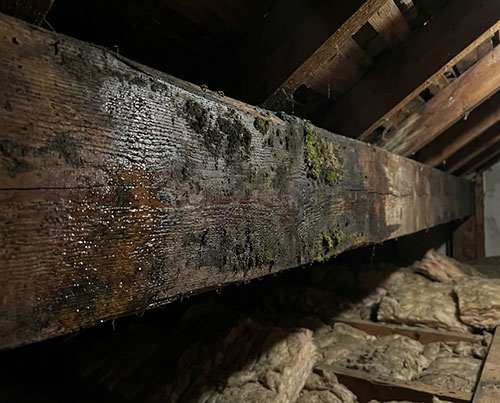
Exterior timber often fails because water sits where it should not, not because the species was “wrong”. Good detailing is everything:
- Avoid water traps – no flat ledges where rain can linger.
- Protect end grain – it absorbs moisture quickly if left exposed.
- Allow airflow – if timber can dry, it tends to last longer.
For exterior structures and roof-related timberwork, proper design and installation matters as much as material choice. If your project involves roof strengthening, extensions, or structural timber, M&W’s roofing carpentry team can advise on what’s sensible for long term performance.
Finish and appearance: how you want it to look in two years
Timber often looks perfect on install day. The better test is how it holds up after daily life gets involved.
Painted finish vs natural finish
Painted timber: softwood can work brilliantly here, but it needs proper prep. Knots can bleed, grain can raise, and edges can take knocks. With good materials and careful installation, paint finish joinery can look crisp and stay that way.
Natural finish: hardwood often wins if you want grain to show. Oils, stains, and lacquers tend to bring out depth and character, and the finish can feel more forgiving over time as it ages naturally.
Matching, colour variation, and ageing
Wood changes. Some timbers darken, others lighten, and sunlight can alter tone. If you’re matching existing timber, it may be worth accepting that “perfect match” can be a moving target. A good approach is often to aim for a complementary look rather than a forced identical one.
Cost, availability, and where to spend the budget
Hardwood usually costs more because it’s often slower grown, more selective to grade, and can involve more wastage when you’re trying to achieve consistent colour and grain. Softwood is generally easier to source in predictable lengths and sections, which makes it ideal for structure and large-scale work.
If you’re balancing budget and finish, a practical approach is:
- Use hardwood where it’s visible, touched, and expected to last beautifully.
- Use softwood where it’s structural, hidden, or being painted anyway.
Common UK timber choices
- Oak – stairs, flooring, feature joinery, long term wear areas.
- Ash – strong, clean grain, good for stairs and handrails.
- Beech – interior joinery and shelving, with sensible finishing.
- Walnut – premium interior features where appearance is the priority.
- Pine – versatile for general joinery and paint finish work.
- Spruce – common for framing and roof timber due to availability.
- Larch / Cedar – often used for exterior cladding depending on the look and detailing.
A quick decision checklist before you buy
- Is this structural, decorative, or both?
- Indoors or outdoors?
- Painted finish or natural finish?
- High traffic / high impact area, or low wear?
- Is moisture, heat, or direct sunlight a factor?
- Do you need long straight lengths and tight tolerances?
- How much maintenance are you realistically willing to do?
How M&W Carpentry Contractors can help
Timber choice is only part of the outcome. The bigger difference is usually in how it’s specified, installed, and finished. M&W Carpentry Contractors support projects from structural timberwork through to final joinery, so the early decisions actually match the final result.
- For structural frameworks, studwork, and build stages, explore 1st fix carpentry.
- For finishing work like doors, skirting, architraves, and detailed joinery, explore 2nd fix carpentry.
- For roof structures, strengthening, and timber roof frameworks, explore roofing carpentry.
- If your project is commercial or residential, you can also view commercial carpentry and residential carpentry.
If you’re unsure what timber is best for your build (or you just want to avoid expensive guesswork), get in touch with M&W Carpentry Contractors and we’ll point you in the right direction before anything is ordered or cut. Contact us here.
Final thoughts
Hardwood and softwood both have their place. Hardwood may suit visible, high wear joinery and natural finishes. Softwood may be the smarter choice for structural work, roof frameworks, and paint finish projects. The best choice depends on the job, the environment, and how the timber will be detailed and installed.
If you want the finished result to stay straight, solid, and sharp long after installation day, the timber choice and the workmanship need to work together. That’s exactly where M&W Carpentry Contractors can help.