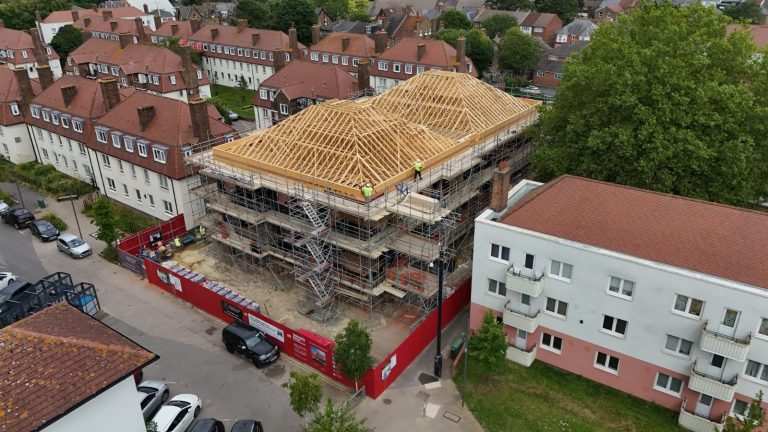

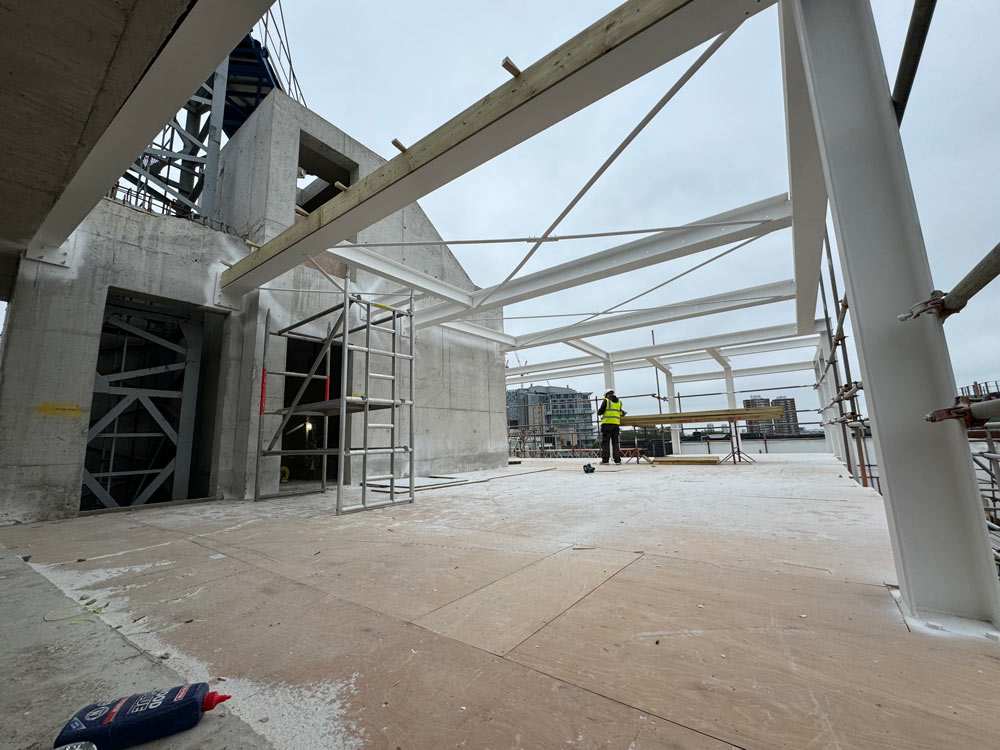
Timber has been used in construction for centuries, and for good reason. It is strong, versatile, and relatively easy to work with compared to many other building materials.
From roof structures and floor joists to full timber frame homes, it continues to play a significant role in both residential and commercial construction across the UK.
That said, timber is still a natural material, which means it responds to changes in its environment. Moisture, in particular, can influence how timber behaves over time.
While small amounts of movement are completely normal, ongoing exposure to damp conditions may gradually affect the performance and longevity of timber frames if it is not properly managed.
Why Timber Reacts to Moisture
Timber naturally absorbs and releases moisture from the air around it. When humidity rises or timber is exposed to damp conditions, it tends to absorb some of that moisture and expand slightly.
When conditions become drier, the timber releases moisture and contracts again. This process is known as movement, and it is a normal characteristic of wood.
In most well constructed buildings, this movement is anticipated during the design and installation stages. Builders typically allow small tolerances so that timber can expand or contract without causing problems.
However, when moisture levels become consistently high, the movement may become more pronounced, which can lead to noticeable changes within the structure.
Common Moisture Related Problems in Timber Frames
When timber is exposed to excessive moisture for long periods, certain issues may start to develop.
Warping is one of the more common problems, where pieces of timber begin to bend or twist slightly. Surface cracking can also appear as the timber repeatedly expands and contracts over time.
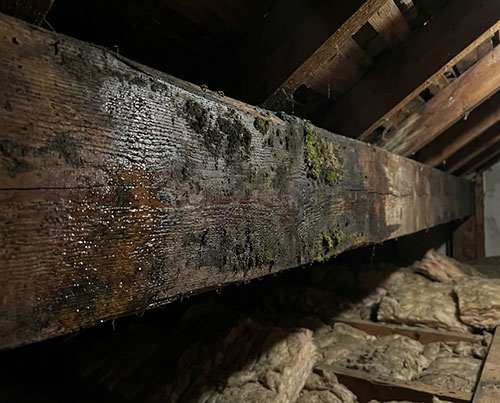
In more persistent damp conditions, timber may begin to show early signs of rot or decay. This usually develops gradually and may not be immediately obvious.
Discolouration, soft areas in the wood, or minor distortion in timber components can sometimes be early indicators that moisture is affecting the structure.
How Moisture Can Affect Structural Stability
If moisture problems continue unchecked, they may eventually influence the strength of the timber frame itself. Timber that remains damp for long periods becomes more vulnerable to fungal decay, which slowly breaks down the fibres within the wood.
As this process progresses, sections of timber may lose some of their original strength.
In structural areas such as roof trusses, load bearing walls, or floor joists, this weakening can become more significant over time. It does not usually happen suddenly, but gradual deterioration may compromise parts of the structure if left untreated.
Addressing moisture problems early often prevents these issues from becoming serious.
Signs That Moisture May Be Affecting Timber Frames
There are several signs that may suggest moisture is starting to affect timber within a building. Discolouration of wood surfaces is often one of the first things people notice. Timber may appear darker than usual, or small patches of mould may develop around joints and corners where moisture tends to collect.
Other indicators can be slightly less obvious. Doors or windows that suddenly begin sticking, uneven floors, or subtle movement in walls can sometimes be linked to changes within timber framing. A persistent musty smell may also suggest that damp conditions are present somewhere within the structure.
Preventing Moisture Problems in Timber Structures
Preventing moisture related issues often begins with good construction practices. Proper ventilation plays an important role, particularly in roof spaces and wall cavities where trapped moisture may otherwise accumulate.
Adequate roofing, flashing, and guttering systems also help keep excess water away from structural timber.
Using treated timber and installing appropriate moisture barriers can provide an additional level of protection.
Regular maintenance of external elements such as roofs, gutters, and drainage systems also helps reduce the risk of water entering the structure in the first place. Small preventative steps often make a noticeable difference over time.
When Professional Inspection May Be Worth Considering
If there are signs that moisture may be affecting a timber frame, it may be sensible to have the structure inspected by a professional.
Experienced carpenters or building specialists can usually determine whether the issue is minor surface moisture or something that requires more attention.
An inspection may also reveal hidden problems that are not immediately visible. In some cases, the solution may simply involve improving ventilation or repairing an external leak.
In others, small sections of timber may require reinforcement or replacement to restore the structure’s integrity.
Conclusion
Timber frames remain a reliable and widely used construction method, particularly when they are installed and maintained correctly.
While moisture can influence how timber behaves over time, most problems can be avoided through good building practices and routine maintenance.
Understanding how moisture interacts with timber helps property owners recognise potential warning signs before they become more serious.
With the right care and timely attention, timber framed structures can remain stable, durable, and dependable for many decades.