

Carpentry has a much bigger influence on a new build than many people realise. It is not just about fitting timber into place or completing a few finishing touches near the end of the project.
Good carpentry helps shape how the property looks, feels and functions once the work is complete.
When carpentry is rushed, inaccurate or poorly finished, the results can be surprisingly obvious.
A new build may be structurally sound, freshly decorated and fitted with modern materials, but uneven doors, visible gaps and poorly aligned details can still make the whole property feel lower in quality.
Why Carpentry Matters in a New Build
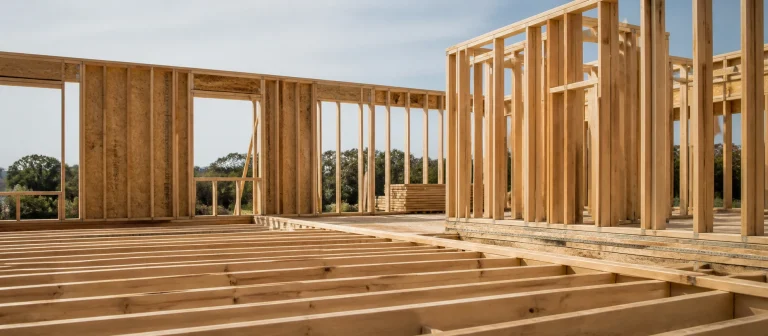
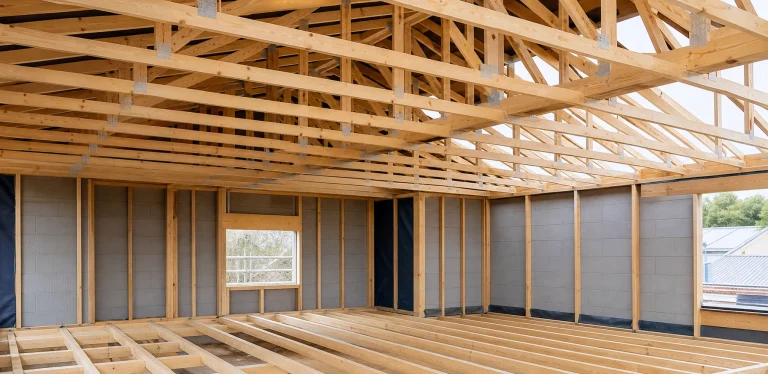
Carpentry is involved at several stages of a new build, from the first fix work hidden behind the finished surfaces to the second fix details that people see and use every day.
This can include stud walls, door linings, floor structures, staircases, skirting boards, architraves, internal doors and fitted joinery.
Because carpentry connects with so many other parts of the build, even small mistakes can become noticeable later on.
A door frame that is slightly out, a wall plate that has not been set correctly, or badly measured trim can all affect the final finish.
In a new property, where buyers or clients expect everything to look clean and precise, these details matter.

Uneven Doors and Poorly Fitted Frames
Doors are one of the first things people notice when moving through a new build.
If they catch on the floor, swing open by themselves, sit unevenly in the frame or leave inconsistent gaps around the edges, it can immediately suggest poor workmanship.
Even if the issue seems minor, it can make the property feel unfinished.
Poorly fitted frames can also create practical problems. Doors may become harder to use over time, particularly as materials expand and settle.
In some cases, decorators are left trying to disguise uneven lines with filler or paint, but this rarely solves the real issue. A well-fitted door should open smoothly, close properly and sit neatly within the frame.
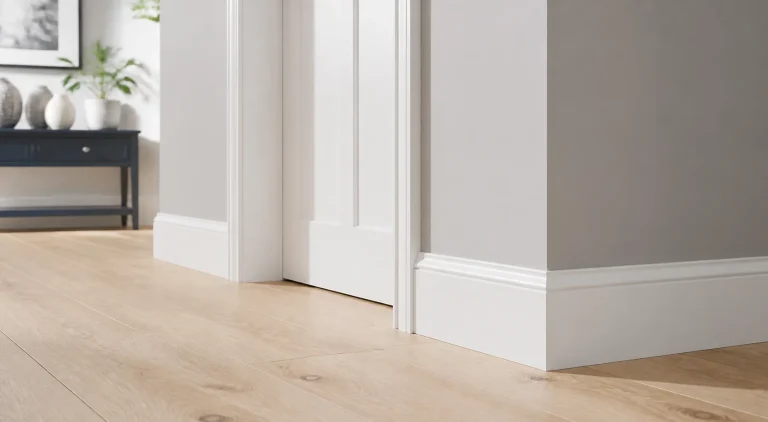
Gaps Around Skirting Boards and Architraves
Skirting boards and architraves might seem like small finishing details, but they have a major effect on the look of a room.
When they are badly cut or fitted, gaps can appear at joins, corners and against the wall. These gaps are often more visible once the area has been painted, especially in rooms with strong natural light.
Poorly fitted trims can make a new build look rushed, even if the rest of the work has been completed to a good standard.
Uneven mitres, messy joints and inconsistent lines draw the eye for the wrong reasons. In a finished home, these details run throughout hallways, bedrooms and living spaces, so any lack of care can be repeated across the whole property.
Problems With Flooring and Subfloors
Carpentry can also affect how floors look and feel underfoot. If the subfloor is uneven, poorly fixed or not properly prepared, the finished flooring may not sit as it should.
This can lead to creaks, movement, uneven transitions between rooms or awkward gaps near thresholds and skirting boards.
These issues are not always obvious straight away, which can make them frustrating for homeowners later.
A floor may look acceptable on handover, but regular use can reveal soft spots, squeaks or areas where the finish begins to lift.
Good carpentry at the preparation stage helps avoid these problems and gives flooring installers a better base to work from.

Staircase and Balustrade Issues
Staircases are one of the most important carpentry features in many new builds. They need to be accurate, secure and visually neat.
Poor carpentry can lead to creaking stairs, uneven treads, awkward gaps, loose handrails or balustrades that do not line up properly. These issues can affect both appearance and confidence in the build.
A staircase is also a prominent feature, particularly in hallways and open-plan homes. If the finish is poor, it can make the entrance area feel less polished.
Since stairs are used every day, any movement, noise or unevenness can quickly become irritating. This is why staircase installation and finishing should never be treated as a basic task.
Kitchen, Storage and Built-In Joinery Problems
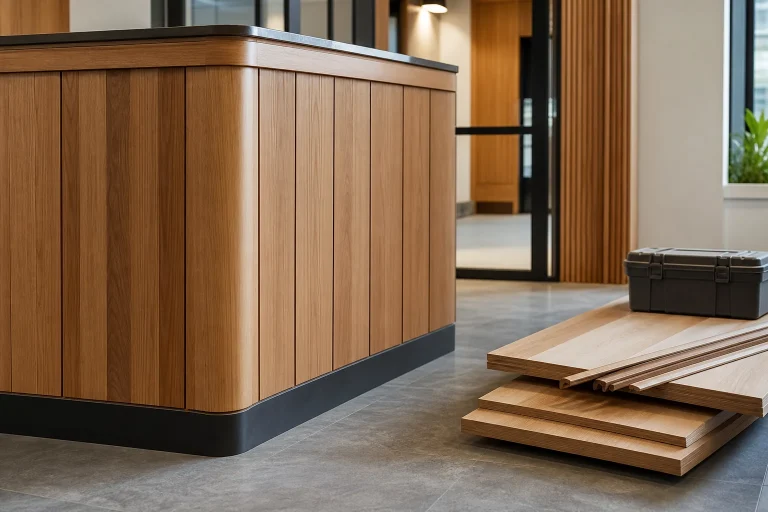
Kitchens, cupboards, wardrobes and built-in storage all rely on accurate carpentry and joinery. When the fitting is poor, doors may not line up, drawers may catch, units may sit out of level, and gaps may appear where cabinets meet walls or ceilings.
These issues can be especially noticeable in modern interiors, where clean lines are often part of the design.
Built-in joinery is usually expected to feel seamless. If it looks crooked or uneven, it can reduce the overall impression of the property. In a new build, buyers may expect fitted storage and kitchen areas to look sharp from day one.
Poor workmanship in these areas can make even good quality materials appear cheap or badly chosen.
How Poor Carpentry Affects Other Trades
Carpentry often sets the standard for other trades to work from. Decorators, flooring installers, tilers, plasterers, kitchen fitters and electricians may all depend on accurate carpentry being completed properly before they can finish their own work.
If the carpentry is wrong, it can create awkward knock-on problems across the site.
For example, decorators may need to spend extra time filling poor joints, flooring installers may have to work around uneven thresholds, and kitchen fitters may struggle with walls or frames that have not been prepared properly.
This can slow the project down and increase costs. One small carpentry issue can quietly turn into a longer snagging list.

The Cost of Fixing Carpentry Mistakes Later
Carpentry mistakes are often easier to avoid than they are to fix. Once a new build is decorated, floored and close to handover, correcting poor carpentry can become messy and disruptive.
Removing poorly fitted doors, replacing trims, adjusting stairs, or reworking built-in units may affect surrounding finishes as well.
This can also delay completion. If a property is being prepared for sale, rental or client handover, visible defects can create frustration and damage confidence in the wider project.
Even where the original mistake seems small, the cost of labour, materials and additional finishing work can quickly add up.
Why Experienced Carpentry Contractors Make a Difference
Experienced carpentry contractors understand that the final finish depends on accuracy throughout the project, not just at the end.
They know how to read drawings, work around site schedules, follow tolerances and coordinate with other trades.
This helps reduce mistakes and keeps the build moving more smoothly.
Good carpenters also notice the details that less experienced workers may overlook.
They think about how doors will sit after decoration, how trims will meet at corners, how flooring will finish at thresholds and how visible joinery will look once the room is complete.
That attention to detail can make a real difference to the overall standard of a new build.

Conclusion
Poor carpentry can have a noticeable effect on the finish of a new build.
From uneven doors and visible gaps to creaking floors, awkward staircases and poorly aligned built-in units, these issues can make a property feel less polished than it should.
Good carpentry is not just about making things work. It helps create a cleaner, sharper and more professional finish throughout the property.
For developers, builders and homeowners, investing in skilled carpentry from the start is likely to save time, reduce snagging and improve the final result.
Get in touch with us at M&W Carpentry today for more information on our services.