


In the fast-paced world of construction, safety can never be taken for granted. Every day on site brings new challenges, potential hazards, and the need for constant awareness.
While safety is a shared responsibility among all trades, carpenters are often at the heart of a project, using tools, machinery, and materials that require careful handling. As such, maintaining a high standard of site safety is not just a formality – it’s an essential part of the job.
For carpenters, safety is not just about personal well-being, but also about safeguarding colleagues, protecting the quality of work, and ensuring that projects run smoothly. A single lapse in judgment or neglect of proper procedure can have serious consequences.
Therefore, understanding and embracing the role of safety within carpentry is a mark of professionalism and responsibility.
Understanding the Risks Carpenters Face On Site
Carpenters operate in environments where hazards are a daily reality. From using sharp hand tools and high-powered saws to working at height or lifting heavy materials, countless risks must be managed.
Slips, trips, falls, noise exposure, and dust inhalation are all common dangers that carpenters face on-site, especially when safety protocols are not followed closely.
Real-life examples serve as powerful reminders. A misplaced ladder, an unsecured scaffold, or a tool left out of sight can quickly lead to injury or worse.
These situations don’t just affect the carpenter involved – they can endanger everyone nearby and bring the entire job to a halt. Recognising these risks and taking proactive steps to minimise them is the first step towards a safer working environment.
Legal and Health & Safety Obligations
In the UK, carpenters are bound by strict health and safety legislation designed to protect both workers and the public. The Health and Safety at Work Act 1974, along with the Construction (Design and Management) Regulations 2015 (CDM), set out clear responsibilities for employers and workers alike.
Every carpenter, whether self-employed or working for a contractor, must take reasonable care of their safety and that of others.
Part of that duty involves adhering to site-specific rules, completing risk assessments, and following method statements (RAMS). These documents outline how work will be carried out safely and help prevent foreseeable accidents.
Ignoring these legal obligations not only puts lives at risk but can also lead to serious financial and legal consequences for individuals and companies.
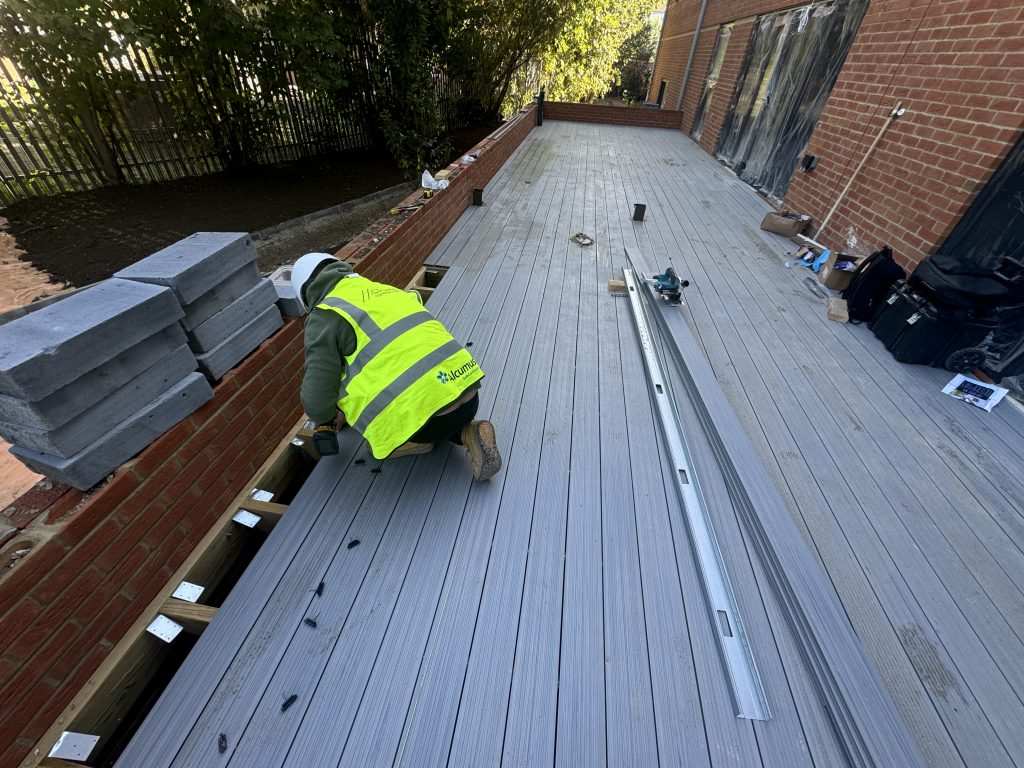
Daily Practices That Promote Site Safety
Good safety habits start with the basics. Keeping work areas clean and free of clutter reduces the chance of trips and falls. Tools and materials should be stored correctly when not in use, and cords or equipment should never be left in walkways.
A tidy site is not only safer, but also more efficient and professional-looking to clients and inspectors.
Personal protective equipment (PPE) is another non-negotiable part of daily site life. High-quality gloves, safety boots, goggles, hearing protection, and dust masks should be worn whenever necessary.
Regular equipment checks are equally important – damaged tools should be reported and replaced without delay. Taking these simple steps each day helps create a safer environment for everyone involved.
The Role of Communication and Team Awareness
No carpenter works in isolation – clear communication with site managers and fellow trades is essential. Toolbox talks, site inductions, and daily briefings provide opportunities to raise concerns, highlight hazards, and ensure everyone is on the same page.
A well-informed team is far better equipped to avoid mistakes and react quickly when something goes wrong.
Staying aware of what others are doing around you is just as important as focusing on your task. For instance, if scaffolding is being adjusted nearby or a delivery is arriving on-site, it’s vital to know how that might impact your work area.
Speaking up when you spot a hazard – whether it’s your responsibility or not – helps prevent accidents and builds a culture of collective accountability.
Leading by Example: Safety Culture Starts With You
Experienced carpenters often set the tone for how safety is handled on-site. By following best practices consistently and without cutting corners, you show apprentices and younger tradespeople the right way to work.
Safety should never be treated as an inconvenience – rather, it should be part of your identity as a skilled and responsible professional.
Encouraging a culture where safety is prioritised and spoken about openly helps foster mutual respect and trust across the team. When people see that their peers care about doing things properly, they’re more likely to follow suit.
Leadership on site doesn’t always come from the top – often, it comes from those who lead by example through their actions.

The Benefits of a Safe Site for Everyone
A safe site is a productive site. When everyone knows their role, feels confident in the systems in place, and trusts their colleagues to work responsibly, projects move forward with fewer interruptions.
Accidents not only harm people but can lead to delays, insurance claims, and costly rework – all of which affect the bottom line.
Moreover, promoting a strong safety record enhances your reputation as a carpenter and a contractor. Clients want to work with professionals who can deliver high-quality results without unnecessary risks.
By making safety a core part of your approach, you not only protect yourself and your team but also demonstrate your commitment to excellence in every aspect of the job.
Conclusion
Carpentry is a hands-on, skilled trade that comes with its fair share of risks, but these risks can be managed with the right mindset and habits. Site safety isn’t just the responsibility of the site manager or health and safety officer.
Every carpenter has a crucial part to play in maintaining a secure and hazard-free environment.
Taking safety seriously is a sign of respect for your craft, your colleagues, and the clients who trust you with their projects.
By being vigilant, well-prepared, and proactive, you not only protect lives, you also protect the integrity of your work and the reputation of your profession. In short, good carpentry is safe carpentry.