
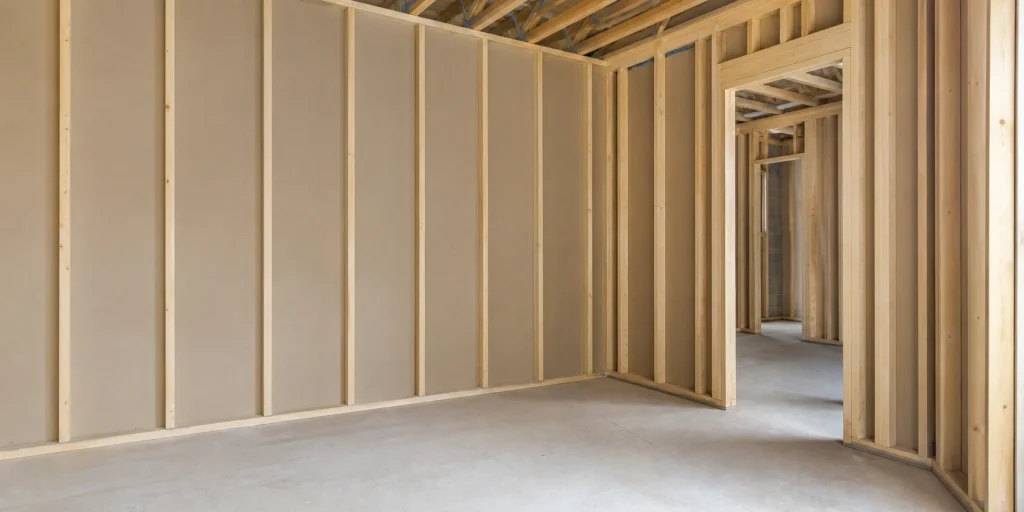
Straight walls rarely happen by chance. By the time plasterboard, skirting, architraves and doors are fitted, the quality of the finished room has already been shaped by work that most people never see.
That hidden stage is first fix carpentry. When studs, joists, linings and openings are set out accurately, every trade that follows has a reliable base to work from. The result is cleaner boarding, easier fitting and a better finish throughout the build.
What first fix carpentry does before the room looks finished
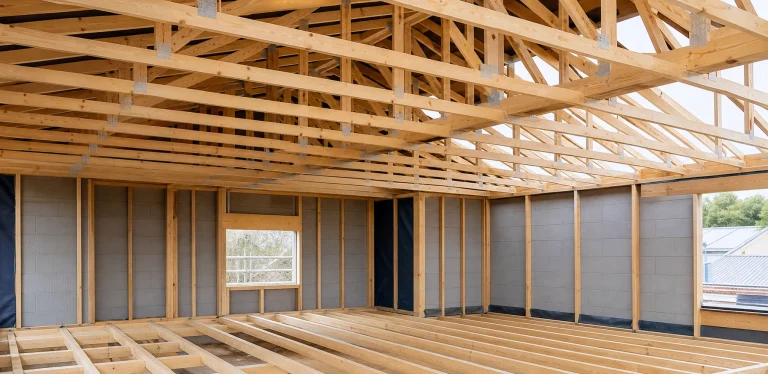
First fix carpentry covers the timber work that sits behind, above or within the finished surfaces of a building. It often includes stud walls, floor joists, roof timbers, door openings, service zones, noggins and other structural or support elements that must be in place before plasterboard and finishes are installed.
Because much of this work is later covered, it can be easy to undervalue. In reality, it has a direct effect on how straight, square and consistent the finished space feels. A wall may eventually be painted, tiled or fitted with cabinetry, but the quality of that finish depends heavily on the frame behind it.
Good 1st fix carpentry gives plasterers, dry liners, electricians, plumbers, joiners and decorators a better starting point. It helps openings land where they should, gives boards firm fixing points and reduces the small alignment problems that can otherwise carry through to the end of the job.
For homeowners, developers and main contractors, the key point is simple. First fix work is not just preparation. It is the practical framework that allows the visible parts of a project to look right and perform properly.
Why studs and framing affect wall straightness

Stud walls look simple, but they need careful setting out. The position of each stud, the spacing between them and the way the frame is fixed all influence whether the finished wall looks flat and true once plasterboard is fitted.
If studs are not plumb, or if the frame twists slightly, the board follows that movement. The issue may only show itself later, when light catches the wall surface, skirting does not sit evenly, or a fitted unit reveals a gap that should not be there. These are the kinds of finish problems that often begin with small inaccuracies during first fix.
Accurate framing gives each sheet of plasterboard a consistent surface to land on. It also makes sure board edges have proper support, which helps reduce movement, cracking and weak spots around joints. Noggins, pattresses and additional supports are just as important where radiators, handrails, cabinets, sanitaryware or other fixtures need a secure fixing.
There is also a layout benefit. Properly planned stud work allows for services to pass through the right zones without weakening the frame or forcing awkward alterations. When carpenters coordinate this early, the wall can remain straight and practical, while still allowing the other trades to complete their work neatly.
How joists influence walls, ceilings and finishes

Floor joists and ceiling joists do more than carry loads. Their alignment affects the surfaces that sit above and below them. If joists are uneven, poorly spaced or not properly coordinated with partitions, follow on trades may have to work harder to achieve a clean finish.
Plasterboard needs consistent fixing points. Flooring needs a stable base. Internal walls need to meet floors and ceilings cleanly. When the joist layout is accurate, these elements come together with fewer compromises. When it is not, the finished building can show small signs of inconsistency, such as uneven ceiling lines, movement in floor finishes or awkward junctions around partitions.
Skilled carpenters look beyond the single piece of timber in front of them. They consider how joists relate to wall lines, stair openings, service routes and future finishes. That wider view matters because buildings are assembled in layers. A minor tolerance issue at one stage can become a visible defect at another.
Roof carpentry follows the same principle. Rafters, trusses and associated timbers need careful positioning so later finishes, insulation and roof details can be completed properly. For a deeper look at that part of the build, MW Carpentry has also explained the relationship from joists to rafters in roof carpentry.
Door openings need accuracy from the start
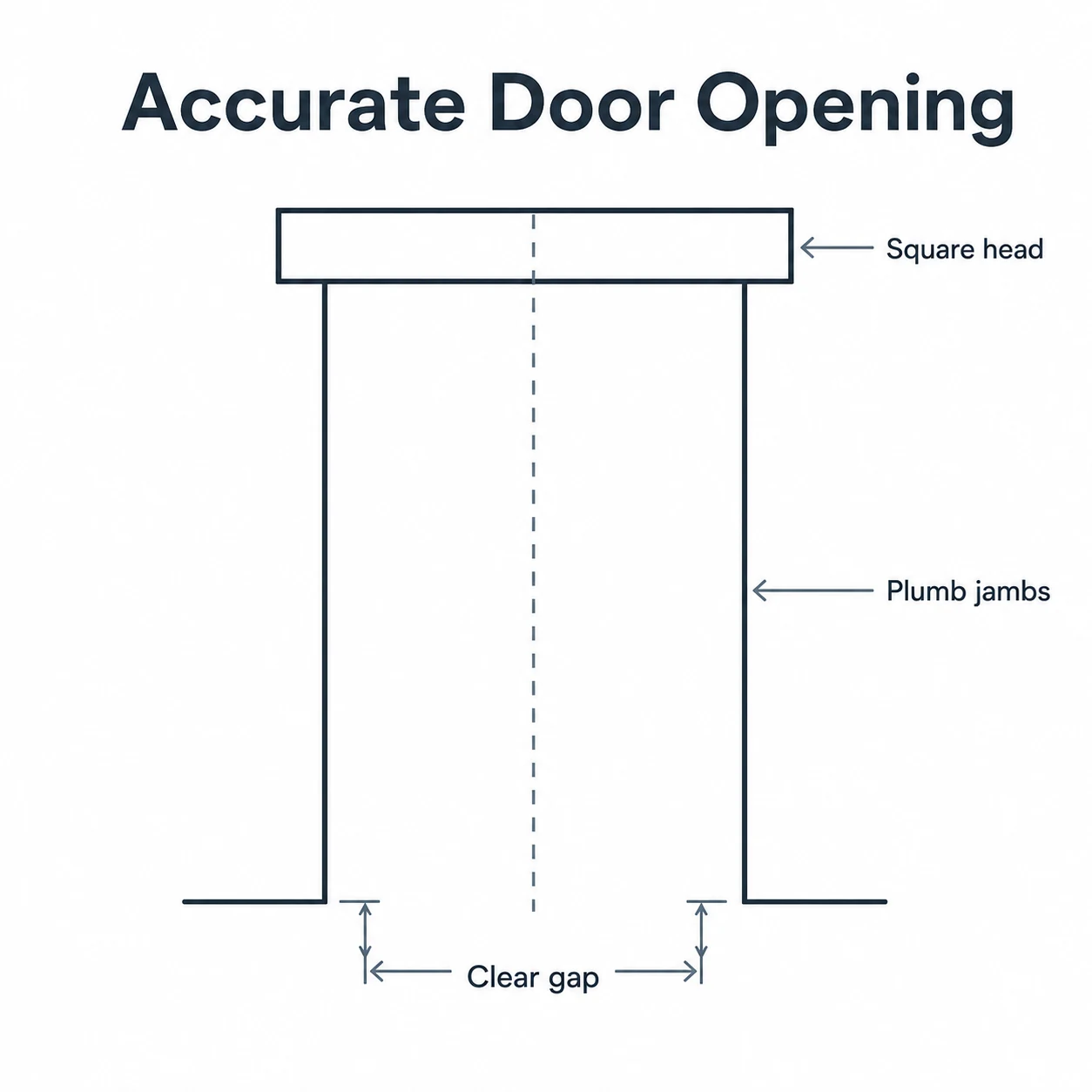
Door openings are one of the clearest examples of first fix accuracy affecting the finished result. A door set can only perform well if the opening is formed correctly in the first place. That means the size, position, plumb, level and squareness of the opening all matter.
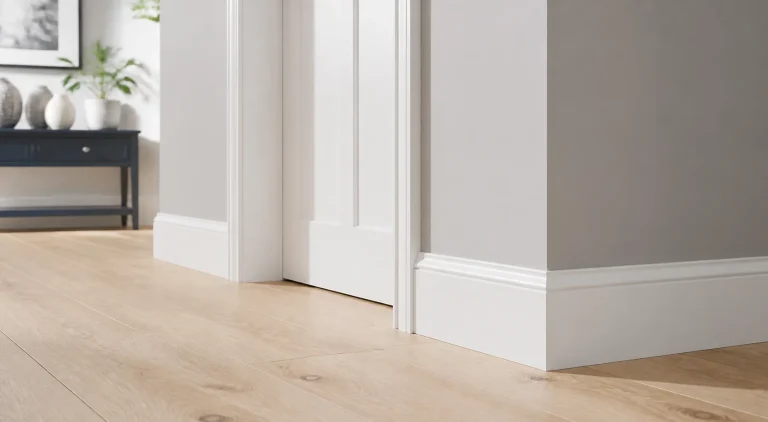
If an opening is out of square, the door lining may need extra packing or adjustment. The door may then need more trimming, the gaps around it may become uneven, or the architrave may struggle to sit neatly against the surrounding wall. These details are visible every day, so small errors are difficult to hide.
Accurate first fix work also helps with consistency across a property or site. Door heights, wall returns and openings should feel deliberate, not improvised. This is especially important where there are multiple rooms, repeated layouts or a commercial fit out where the finish needs to look consistent from one area to the next.
There is a practical benefit too. Correctly formed openings help later joinery proceed more smoothly. Linings, casings, doors, ironmongery and finishes can be installed with fewer adjustments because the carpentry underneath has already done its job properly.
The hidden link between first fix work and final appearance
Many finish issues are blamed on the last trade to touch the surface, but the cause often sits earlier in the build. A decorator cannot make a twisted wall truly straight with paint. A plasterer can improve a surface, but they should not have to correct poor framing. A joiner can scribe and adjust, but the cleanest result usually comes from a sound base.
This is why first fix carpentry has such a strong connection with final appearance. Straight framing supports better plasterboard. Accurate openings support better doors. Well planned supports help fitted furniture, fixtures and finishes sit more cleanly. The work may be hidden, but its influence remains visible.
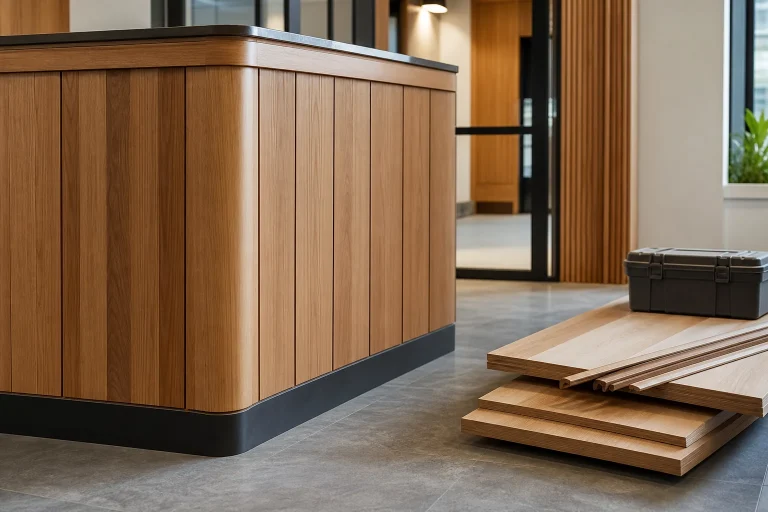
In commercial settings, the same idea applies to partitions, bulkheads, service zones and joinery interfaces. Accurate timber work helps spaces feel more organised and professionally finished. For related ideas on how finish quality shapes workplace interiors, see MW Carpentry’s guide to quality joinery in office refurbishments.
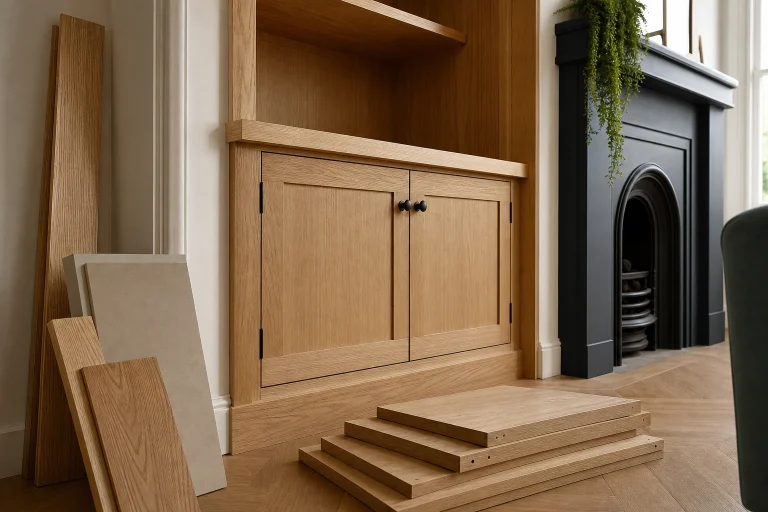
For residential projects, accurate first fix carpentry can support everything from smooth wall lines to better fitting kitchens, wardrobes and internal doors. It helps create the kind of finish that feels calm and well built, even when the homeowner cannot point to the hidden timber work that made it possible.
What to look for in well planned first fix carpentry

A good first fix carpenter works with drawings, site conditions and the needs of later trades. The aim is not only to build the frame, but to build it in a way that helps the rest of the project progress cleanly.
Signs of well planned first fix work include:
- Stud walls that are plumb, straight and correctly positioned.
- Joists and supports set out with consistent spacing and reliable fixing points.
- Door and window openings formed square, level and to the required sizes.
- Noggins and pattresses placed where future fixtures need support.
- Clear coordination with service routes, plasterboard requirements and finish details.
Communication is a major part of this. Carpenters often need to understand how the building will be used, what finishes are planned and where other trades need access. A frame that looks complete is not always complete if it lacks the support or coordination needed for the next stage.
It is also worth remembering that timber is a natural material. It needs to be selected, handled and installed with care, especially where moisture and site conditions may affect it. MW Carpentry has covered related considerations in its article on how weather and climate affect exterior timber work in the UK.
When first fix carpentry is carried out with this level of care, it quietly reduces friction across the whole project. Later trades can work from clear lines, supported surfaces and predictable openings. That is where much of its real value lies.
- Straight finished walls depend on accurate stud work, reliable fixing points and careful setting out during first fix carpentry.
- Joists, openings and framing affect plasterboard, doors, ceilings, flooring and fitted finishes.
- Small inaccuracies at first fix stage can become visible later through uneven gaps, twisted surfaces or awkward junctions.
- Good first fix carpentry supports other trades by giving them a dependable base to work from.
- The value of first fix work is often hidden, but it can be seen in the quality and consistency of the final finish.
Frequently asked questions
What is first fix carpentry?
First fix carpentry is the timber work completed before plastering and final finishes. It can include stud walls, joists, roof timbers, door openings, noggins and other framing that forms the base for later trades.
Why does first fix carpentry affect straight walls?
Plasterboard follows the framing behind it. If the studs are straight, plumb and properly spaced, the wall has a better chance of finishing flat and true. If the frame is twisted or poorly set out, the finished wall can show those faults.
Can plastering fix inaccurate first fix work?
Plastering can improve a surface, but it should not be relied on to correct poor framing. The best finish usually comes from accurate carpentry first, followed by skilled boarding, plastering and decorating.
Why are door openings important during first fix?
Door openings need to be square, level and correctly sized so linings, doors, architraves and ironmongery can be fitted neatly. If the opening is wrong, the finished door set may need extra adjustment and the gaps may look uneven.
Planning first fix carpentry?
If you want straight walls, clean openings and a reliable base for the finishes that follow, MW Carpentry can help with practical, well planned first fix carpentry for residential, commercial and roofing projects.