
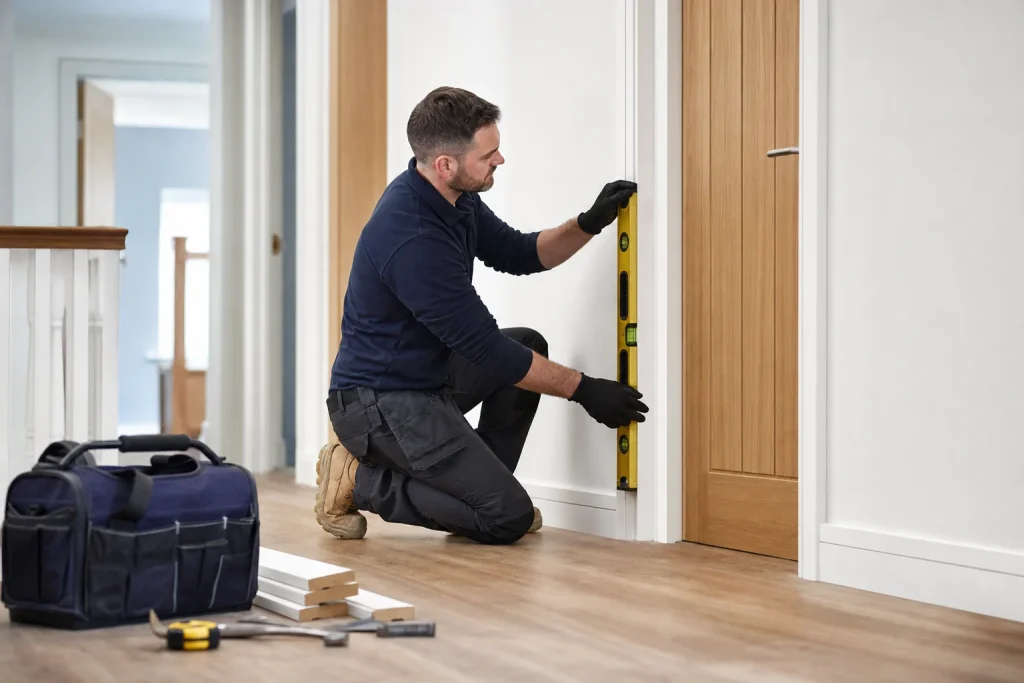
At handover, the smallest finishing details can shape the whole impression of a project. Doors that close smoothly, neat skirting lines and well-mitred architraves all help a space feel complete, cared for and ready to use.
That is where second fix carpentry has a major role to play. By focusing on the visible timber elements and how they meet surrounding finishes, a skilled fixing carpenter can help reduce avoidable snagging and support a cleaner final inspection.
Why second fix carpentry matters at handover
Second fix carpentry covers the timber work carried out after the main structure is in place and internal surfaces are ready for finishing. It typically includes fitting doors, handles, linings, skirting boards, architraves, window boards, trims and other visible details.
These elements are often among the first things checked during a final walk-through because they are used, touched and seen every day. A door that catches on the floor, a proud mitre, a loose length of skirting or an uneven margin around a frame can quickly become a snag, even when the wider build is well managed.
Good 2nd fix carpentry helps bring consistency to these details. It is not just about fitting components; it is about understanding how timber, plaster, flooring, ironmongery and decoration all come together at the final stage.
The finishing details that commonly affect snag lists
Many handover snags relate to items that are technically small but highly visible. Second fix carpentry helps manage these areas by setting out, cutting, fixing and checking each element with care.
- Internal doors: Even gaps, smooth operation, correct swing, secure hinges and neatly fitted latches all contribute to a better inspection.
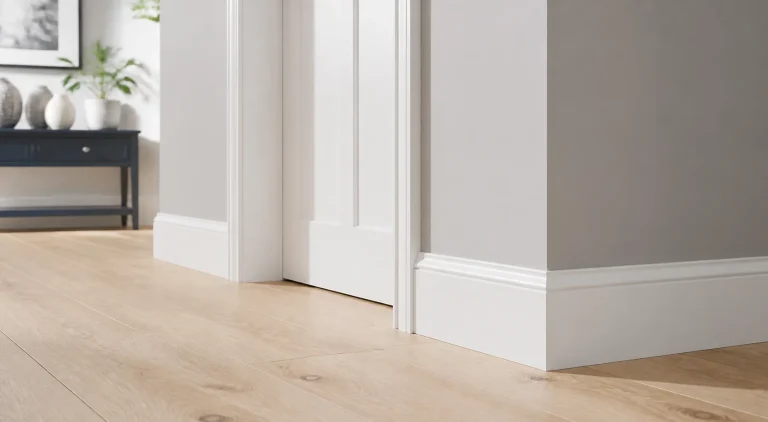
- Skirting boards: Clean joints, tight scribes and consistent fixing help create a sharper junction between walls and floors.
- Architraves: Accurate mitres and tidy returns frame openings properly and reduce visible imperfections around door linings.
- Ironmongery: Handles, stops, locks and keeps need to be aligned so they work well and look properly finished.
- Trims and window boards: Straight lines, secure fixing and neat caulking gaps make final decoration easier to complete cleanly.
When these details are fitted well, decorators and floor finishers also have a better base to work from. That joined-up finish can reduce the number of points raised during client, contractor or building management inspections.
How accurate setting out reduces avoidable defects
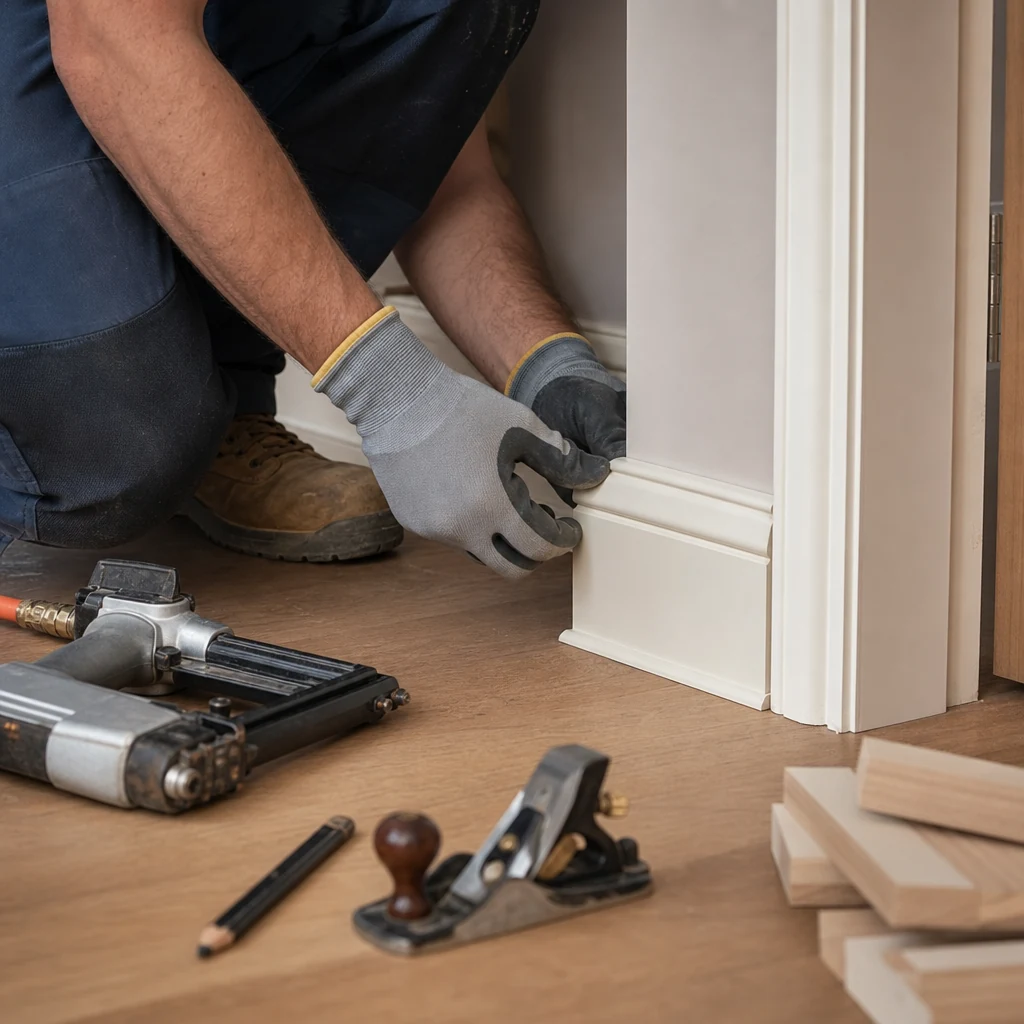
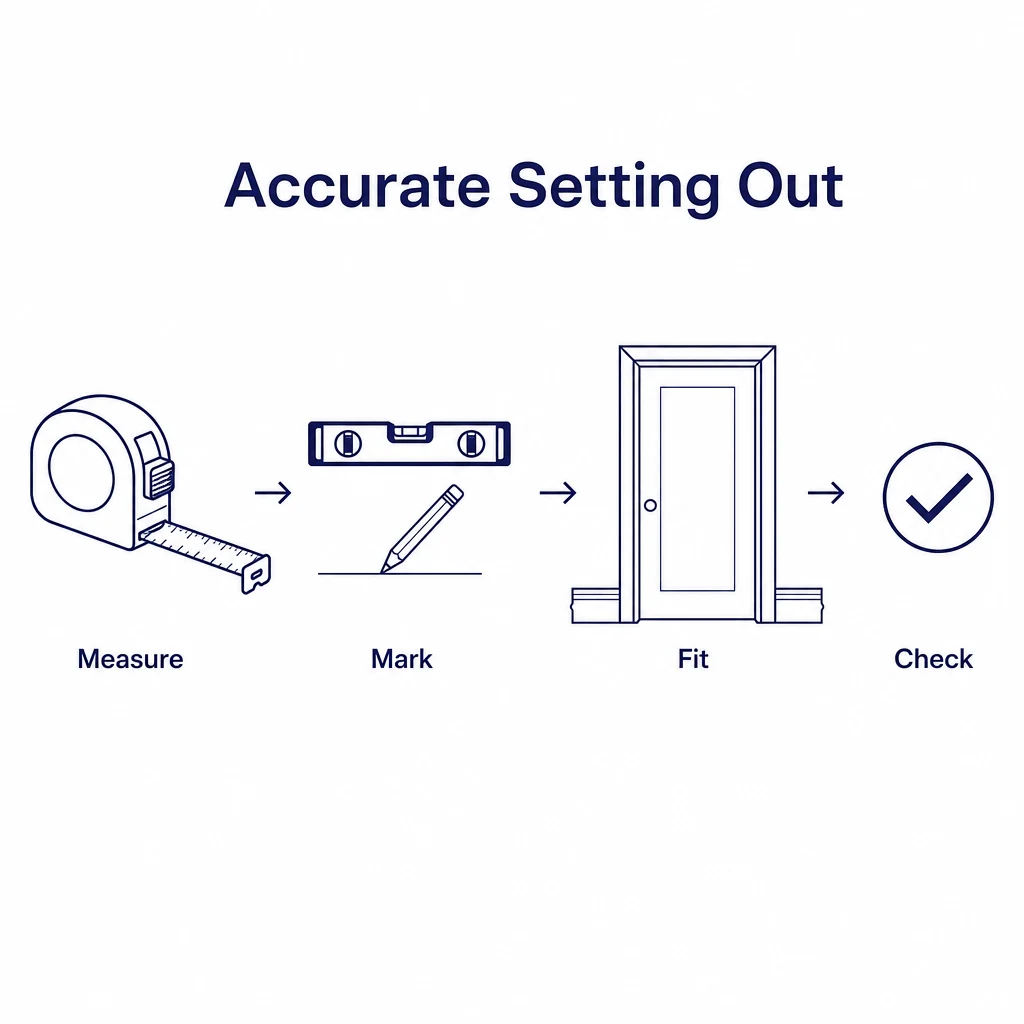
A reliable fixing carpenter starts with careful checks before cutting or fixing. Door frames, walls and floor levels are not always perfectly uniform, so second fix work often involves adjusting neatly to the real conditions on site.
For example, skirting may need to be scribed to an uneven wall, architraves may need careful positioning around plaster edges, and doors may need planing so margins remain consistent without rubbing. These small decisions have a direct effect on the finished appearance.
Accurate setting out also supports repeatability across multiple rooms or plots. Consistent handle heights, matching margins and uniform trim details make the work look intentional rather than pieced together. This matters at handover because inspectors tend to notice differences from room to room, especially where finishes are repeated.
Second fix carpentry also benefits from a clear understanding of what came before. A well-prepared first fix stage gives the fixing carpenter a stronger starting point. Where projects require both stages, coordinating with 1st fix carpentry can help ensure openings, grounds and structural timber elements are ready for a high-quality finish.
Coordination with other trades supports cleaner inspections
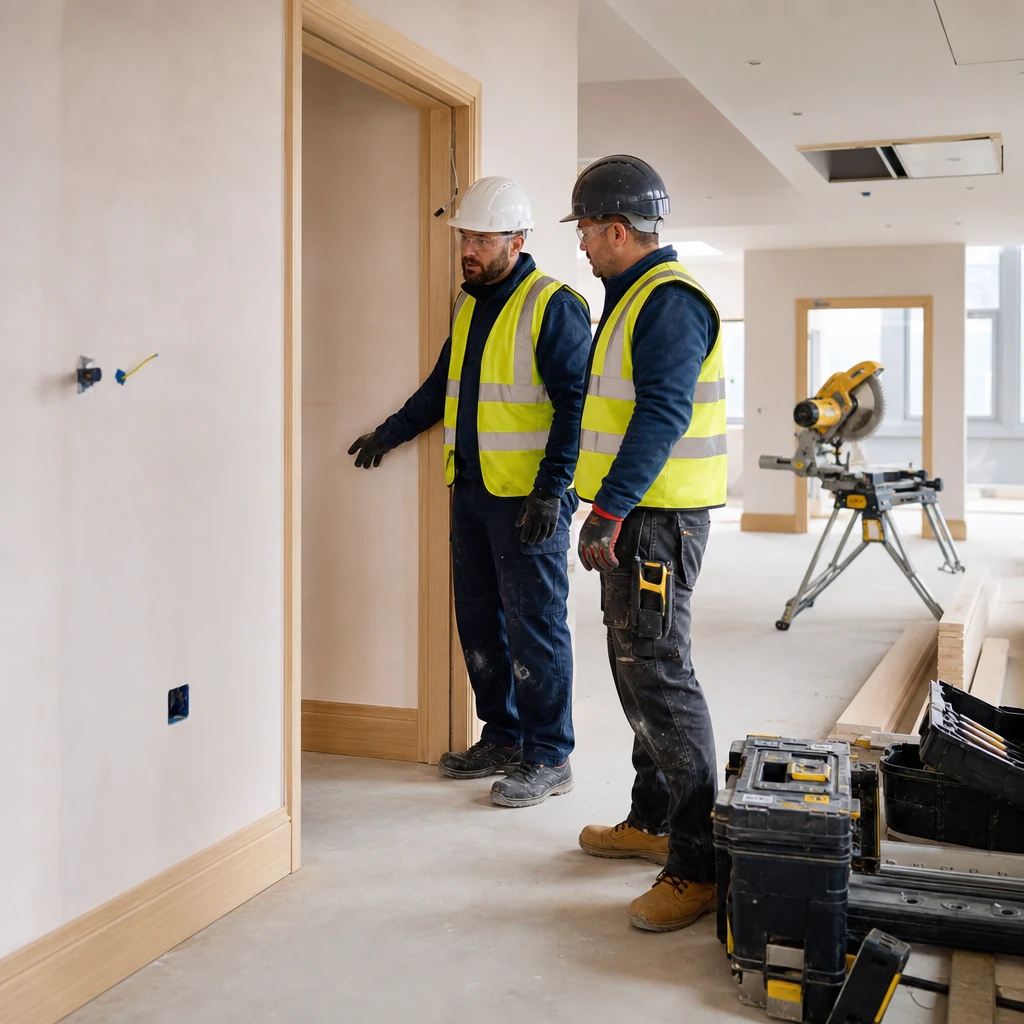
Second fix carpentry sits close to several other trades in the programme. Flooring, plastering, decorating, electrical work and final cleaning can all affect, or be affected by, carpentry finishes.
Good coordination helps protect completed work and prevents unnecessary reworking. For instance, doors should be fitted with awareness of finished floor levels. Skirting and architraves should be installed in a way that supports neat decoration. Ironmongery should be positioned so it does not clash with switches, door stops or fitted furniture.
Communication also helps with sequencing. If carpentry items are fitted at the right point, they can be checked, adjusted and protected before final inspection. This gives the project team greater confidence that visible timber details are ready when the space is reviewed.
On commercial projects, this can be especially helpful where there may be multiple rooms, repeated details or phased handovers. On residential projects, it helps ensure the final living spaces feel polished and complete rather than nearly finished.
Quality checks before handover
A practical second fix quality check should look at both appearance and function. The aim is to catch minor adjustments before they appear on a snag list.
- Open and close every door to check clearance, latch alignment and hinge movement.
- Check door margins from the standing viewpoint as well as close up.
- Run a visual line along skirting boards to identify gaps, proud joints or uneven fixing.
- Inspect architrave mitres and returns for clean alignment.
- Confirm handles, locks, keeps and door stops are secure and positioned correctly.
- Look for timber damage, exposed fixings or areas that need final filling before decoration.
These checks are straightforward but valuable. They encourage a finish-led mindset and help make handover smoother for everyone involved. A fixing carpenter with a tidy working method will usually keep materials organised, protect finished surfaces and leave areas ready for the next stage of completion.

What clients and project teams can do to help
Strong second fix results come from good workmanship and good information. Clear drawings, door schedules, ironmongery details and finish expectations all help the carpenter deliver consistent results.
Before second fix begins, it is useful to confirm door types, handle sets, skirting profiles, architrave sizes and any special details around fitted furniture or feature areas. If there are tolerance requirements or inspection preferences, sharing them early helps the finishing work align with the project standard.
It is also worth keeping timber stored correctly and ensuring areas are ready for installation. Clean, accessible rooms with completed preceding works allow second fix carpentry to progress neatly and with proper attention to detail.
The best outcomes come when second fix is treated as a key finishing stage, not an afterthought. When doors, skirting, architraves and trims are planned and fitted with care, handover inspections become more focused on confirmation than correction.
- Second fix carpentry has a direct impact on the visible quality of a finished space.
- Well-fitted doors, skirting and architraves can reduce avoidable snagging at handover.
- Accurate setting out helps create consistent details across rooms or repeated areas.
- Coordination with other trades protects finishes and supports a cleaner final inspection.
Frequently asked questions
What is the difference between first fix and second fix carpentry?
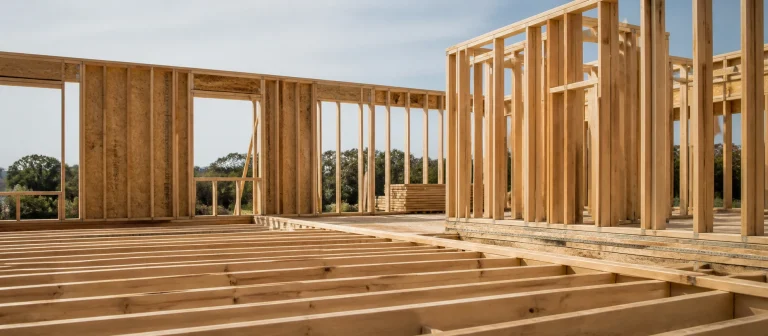
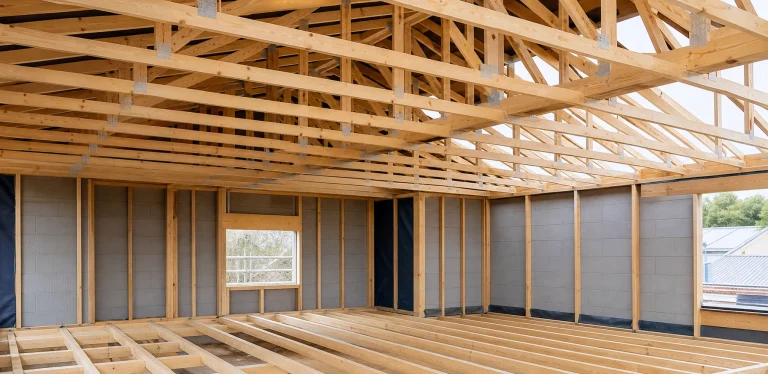
First fix carpentry covers structural and hidden timber work, such as joists, studwork and roof elements. Second fix carpentry focuses on visible finishing items, including doors, skirting, architraves, trims and ironmongery.
Why do doors often appear on snagging lists?
Doors are checked because they are used immediately and must function properly. Common issues include uneven gaps, rubbing, poor latch alignment or loose ironmongery, all of which can often be avoided through careful fitting and adjustment.
Can second fix carpentry improve the final decorated finish?
Yes. Neatly fitted skirting, architraves and trims give decorators cleaner lines to finish against. This helps the completed space look sharper and more consistent.
When should second fix carpentry be planned?
It should be considered before the finishing stage begins. Confirming profiles, door schedules, ironmongery and sequencing early helps the fixing carpenter deliver a more consistent handover-ready result.
Planning a cleaner handover?
MW Carpentry can help with well-organised, detail-focused second fix carpentry for residential, commercial and roofing-related projects.