
Architraves and skirting boards are often treated as small finishing details, but they are among the first things people notice once a room has been decorated. They frame doors, finish walls, hide movement gaps and create the clean lines that make an interior feel complete.
When this trim is fitted with care, it quietly supports the whole finish. When it is rushed or poorly fixed, every coat of paint can make the flaws more obvious. That is why architraves and skirting are a useful way to judge the standard of second fix carpentry.
Why trim work is so visible after decoration
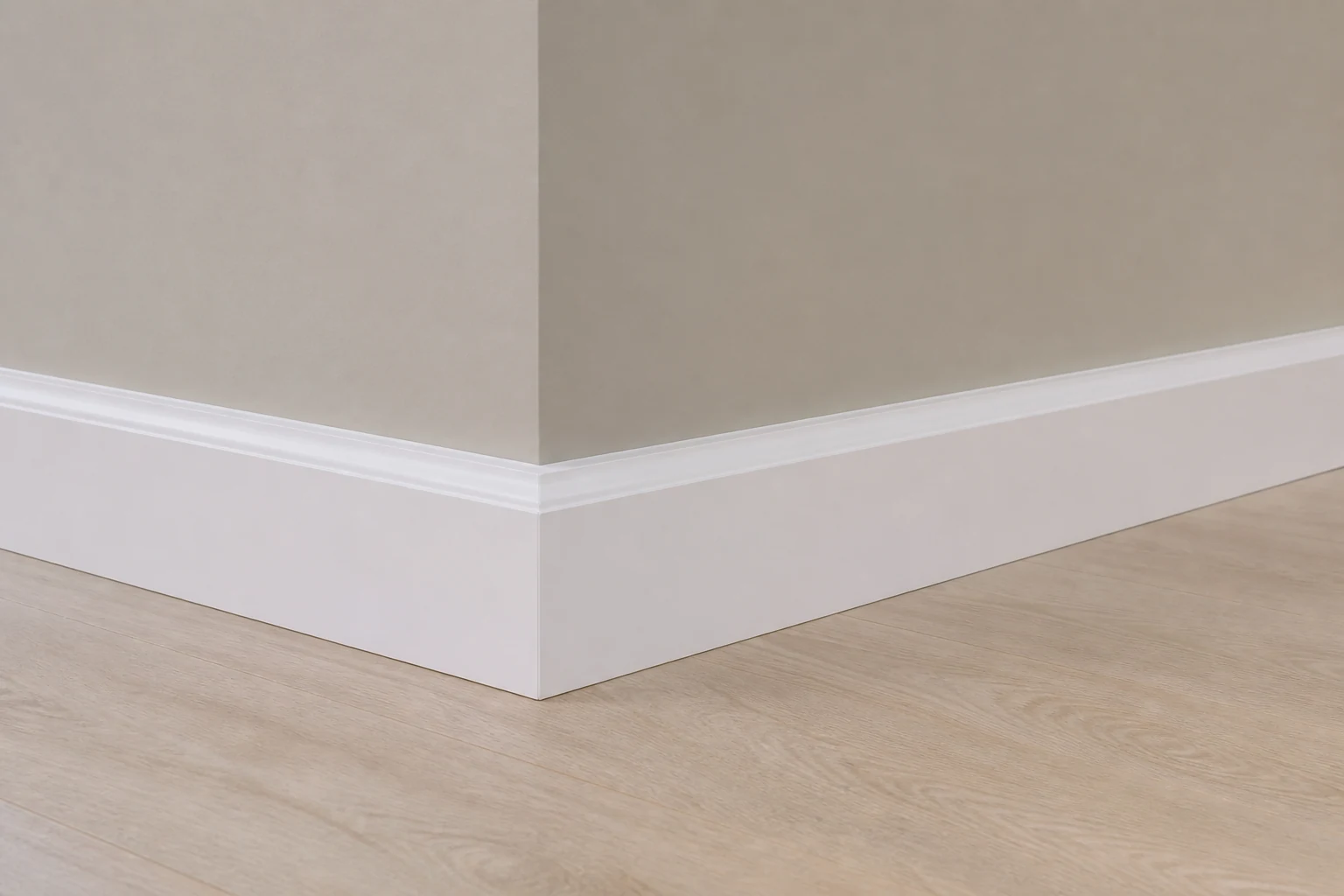
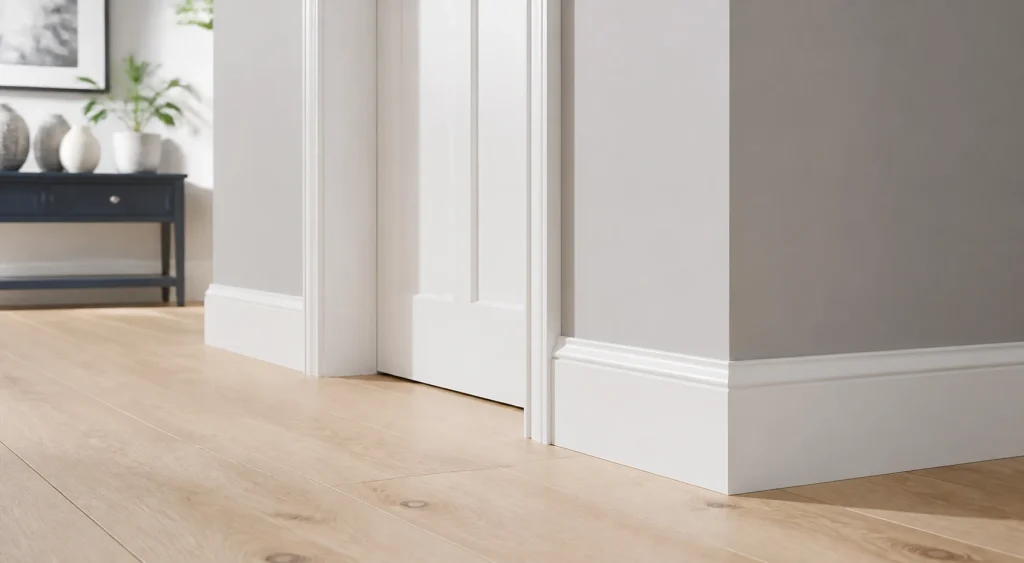
Architraves and skirting sit exactly where the eye naturally travels. Skirting follows the perimeter of a room, while architraves frame openings at standing height. Even if a person does not know the technical name for each component, they will notice whether the lines look straight, the corners close neatly and the finish feels consistent.
Decoration does not hide poor trim work as much as people sometimes expect. Paint can sharpen the line of a joint. Caulk can shrink back if it has been used to cover a gap that should have been dealt with by better cutting or fitting. Gloss, satin and eggshell finishes can catch light along uneven surfaces, making waves, dents and raised fixings easier to see.
Good second fix carpentry starts before the final coat of paint. The carpenter needs to understand how the finished surface will read once decorators, flooring installers and other trades have completed their work. That means checking walls, floors, linings and reveals, then fitting the trim so it works with the building rather than simply forcing material into place.
This is one reason architraves and skirting are such strong indicators of care. They are not complicated in appearance, but they demand accuracy, patience and practical judgement. A tidy result suggests that the surrounding second fix work has also been approached properly.
Mitres show how carefully the room has been measured
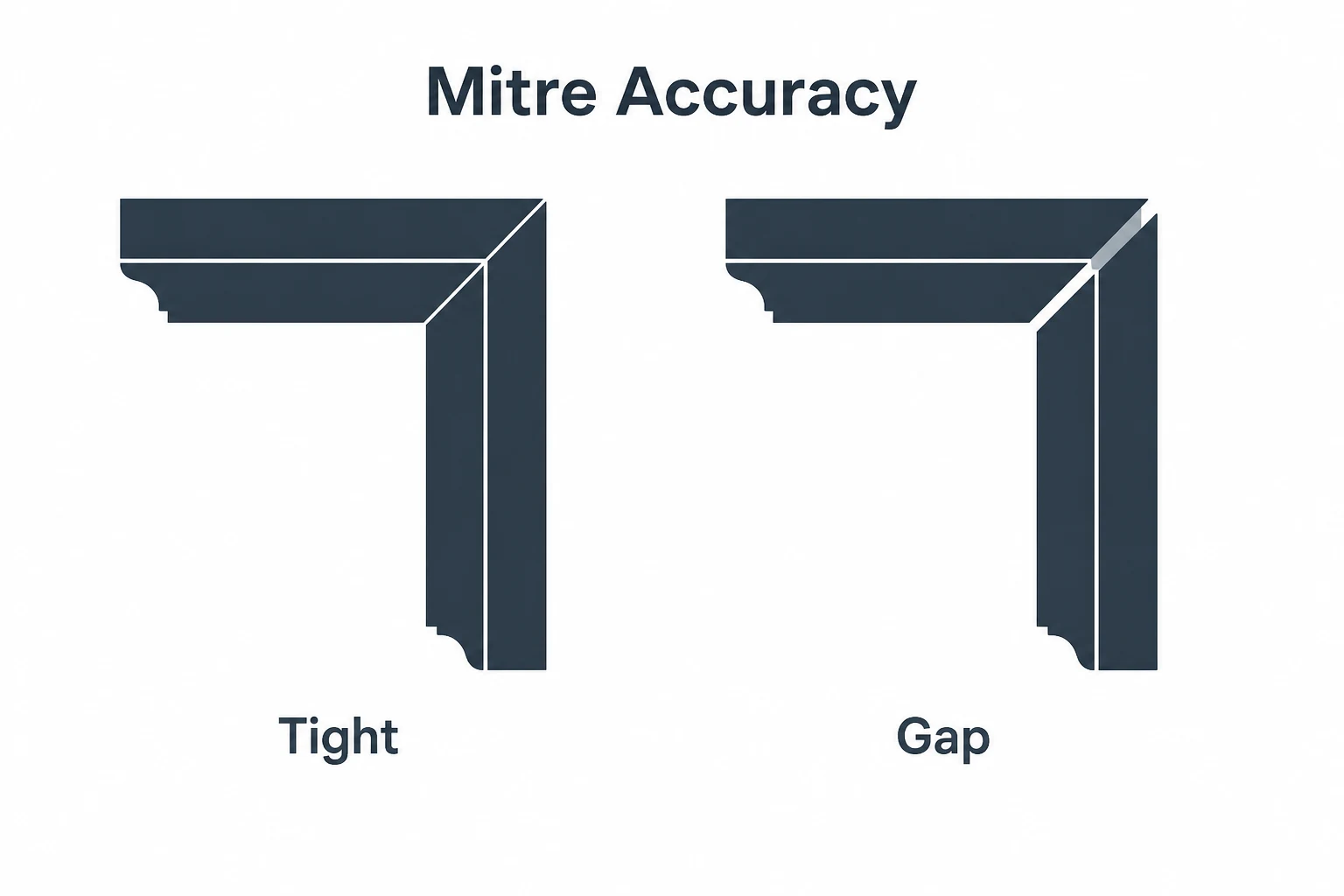
A mitre is one of the clearest tests of trim quality. On paper, a corner cut might seem straightforward. In real rooms, corners are not always perfectly square, walls can wander slightly and plaster thickness can vary. A neat mitre depends on measuring the actual condition in front of the carpenter, not assuming every corner will behave exactly as planned.
Open mitres are one of the most common signs that trim has been rushed. The two pieces may meet at the back but leave a visible gap at the face, or the front may be pinched while the rear sits proud. Once painted, this can leave a dark line, a lumpy filled corner or a joint that keeps drawing the eye.
Good carpentry manages these small variations. That might mean making careful test cuts, adjusting angles, scribing where needed or choosing a joint method that suits the material and position. The aim is not only to close the joint on the day it is fitted, but to create a stable finish that will decorate cleanly and remain tidy with normal use.
Mitres around architraves matter in particular because they sit close to doors, handles and switches. People stand next to them every day. A tight, balanced joint gives the doorway a crisp frame and helps the whole opening feel deliberate rather than patched together.
Consistent shadow gaps make the finish feel intentional
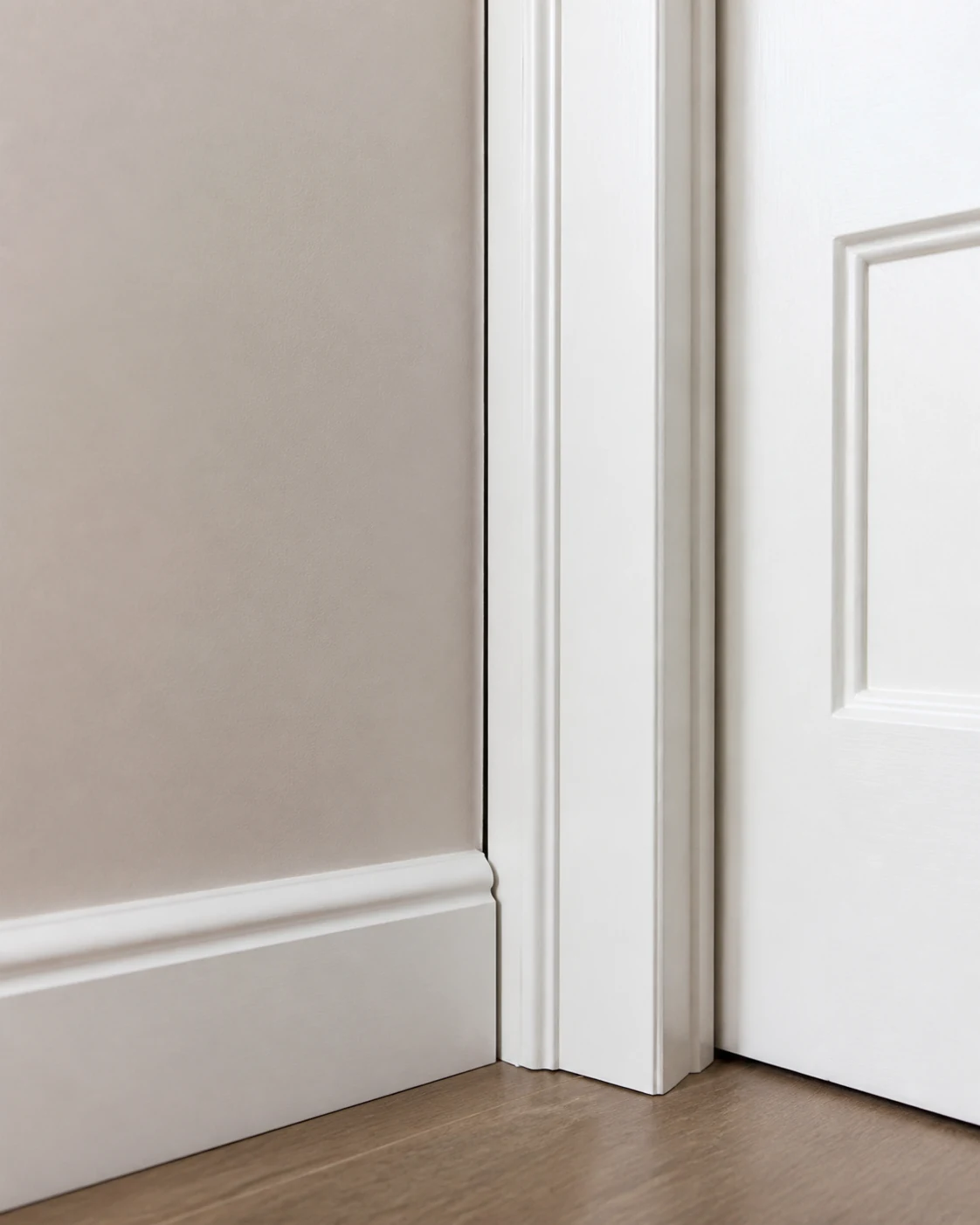
Shadow gaps are the narrow lines created where trim meets another surface or where a reveal, lining or adjacent detail creates a visible edge. They can be subtle, but consistency is what makes them look right. A line that opens and closes along its length can make otherwise good materials look poorly finished.
With skirting, consistency means the top edge should read cleanly against the wall. With architraves, the reveal around the door lining should feel even, unless the existing structure makes a deliberate adjustment necessary. The carpenter has to balance what is technically possible with what will look best once the room is complete.
Uneven shadow gaps can happen when trim is fixed without checking the wall surface, when boards are pulled too tightly into dips, or when pieces are cut to a measurement that does not allow for small changes along the run. These issues may seem minor during installation, but decoration can make them stand out because the line between materials becomes more defined.
A consistent gap gives the painter a clean edge and gives the buyer, tenant or building user a sense of precision. It also supports the quality of related finishes such as doors, floors and fitted joinery. For a wider look at how finishing decisions affect the completed property, MW Carpentry has also covered how poor carpentry can affect the finish of a new build.
Secure fixing is about more than holding the board in place
Skirting and architraves need to be fixed securely, but the best fixing is not simply the one that uses the most nails or adhesive. It is the one that suits the substrate, the material, the expected movement and the final decorative finish.
If trim is under fixed, it can move, spring away from the wall or open up at joints. If it is over fixed, fixings can bruise the face, split the timber or leave unnecessary filling. If adhesive is used poorly, boards can sit proud in places or become difficult to adjust before the finish is right.
Secure installation also means thinking about everyday contact. Skirting is knocked by cleaning equipment, furniture and foot traffic. Architraves are touched constantly around doors. A firm, flush, well supported board helps the finish cope with normal use and reduces the chance of gaps or loose sections appearing after handover.
Fixing quality is also closely linked to sequencing. Floors, doors, plastering, decoration and fitted items all influence the best way to complete trim work. A good second fix carpenter understands how their work interacts with the wider programme. That practical coordination is part of what makes professional second fix carpentry valuable on both residential and commercial projects.
Skirting and architraves influence the buyer’s first impression
Buyers and occupants may not inspect every joist, lining or fixing, but they do spend time in finished rooms. They notice whether the skirting follows the wall cleanly, whether the corners are sharp and whether the trim makes the space feel complete. These details help form an immediate view of workmanship.
This is especially important because architraves and skirting connect several finishes. They sit between walls, floors, doors and decoration. If the trim is untidy, people may start to question the quality of the surrounding work, even when other parts of the build are sound. Neat trim gives confidence because it shows that visible details have been cared for.
Good carpentry also helps reduce avoidable finishing issues. Tight joints, straight lines and secure boards leave less for decorators to disguise and less for project teams to revisit later. That does not mean trim work is only about snagging, but it does show why precision at second fix stage supports a smoother final presentation. The same principle is explored in MW Carpentry’s guide to how second fix carpentry reduces snagging at handover.
For commercial interiors, the same details matter because staff, visitors and clients use the space repeatedly. Consistent trim lines help rooms, corridors and fitted areas feel orderly and professionally finished. In workplace projects, this links naturally with the wider role of quality joinery in workplace aesthetics.
What to look for in a quality trim finish
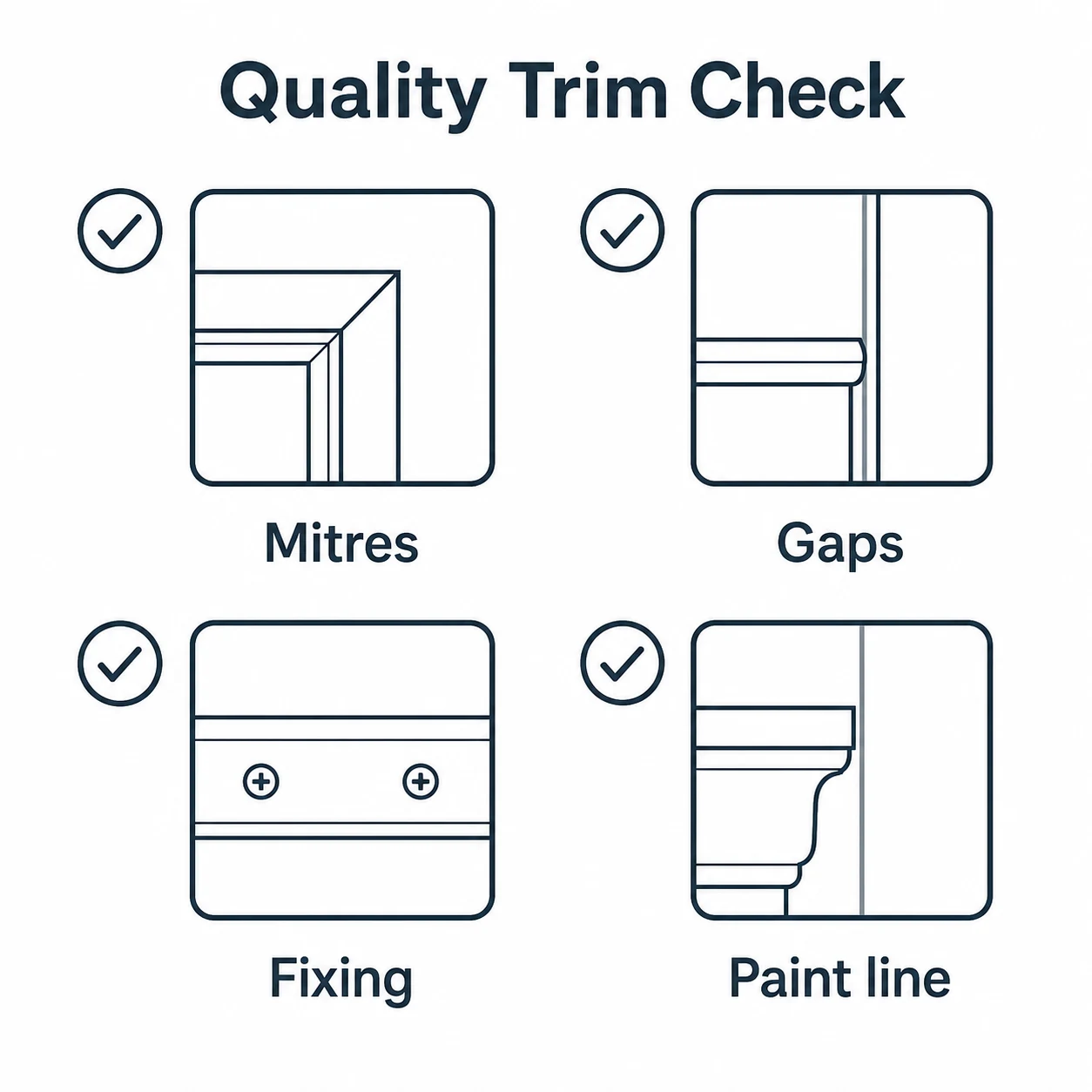
A good architrave and skirting installation should look calm and consistent. It should not ask for attention. The lines should feel deliberate, the joints should be neat and the boards should sit securely without visible stress, gaps or rough filling.
Useful signs of quality include:
- Mitres that close cleanly at the face of the trim.
- Skirting that follows the room without obvious waves or proud sections.
- Architrave reveals that look balanced around the opening.
- Fixings that are neatly set and prepared for decoration.
- Joints that suit the material, position and expected movement.
- Clean transitions where trim meets floors, walls and fitted items.
It is also worth looking at how the trim feels as part of the whole room. A technically neat corner can still look wrong if the board has been poorly aligned or if the reveal is noticeably inconsistent. Good carpenters think about the complete visual finish, not only each individual cut.
That is why architraves and skirting are more than decorative extras. They are the visible evidence of accurate setting out, careful cutting, secure fixing and respect for the final decorated surface. When those details are right, the room feels finished in the way it should.
- Architraves and skirting are highly visible after decoration, so small fitting errors can stand out.
- Neat mitres show careful measuring, cutting and adjustment to real site conditions.
- Consistent shadow gaps help walls, doors and floors look properly coordinated.
- Secure fixing supports a tidy finish and helps trim cope with everyday use.
- Quality second fix carpentry gives buyers and occupants confidence in the wider workmanship.
Frequently asked questions
Why do skirting boards show poor workmanship so easily?
Skirting boards run around the edge of a room, so the eye follows them naturally. Uneven lines, open joints, proud sections and heavy filling can become more obvious once the boards are painted and the flooring is complete.
Should all architrave mitres be perfectly tight?
A quality finish should have neat, close mitres at visible corners. Real site conditions can vary, so the skill is in measuring, adjusting and fitting the trim so the finished joint looks clean and stable.
Can decorators fix poor architrave and skirting installation?
Decorators can prepare and finish surfaces, but they should not have to hide basic fitting problems. Large gaps, loose boards, poor alignment and weak joints are carpentry issues first.
Why is second fix carpentry important for the final look of a room?
Second fix carpentry includes many visible finishing elements, including doors, architraves, skirting and fitted details. These parts connect the structure with the decorated finish, so accuracy has a direct effect on how complete and professional the room feels.
Plan a sharper second fix finish
If you want architraves, skirting and interior trim finished with care, MW Carpentry can help plan and deliver tidy second fix carpentry for your project.