
Joists and trusses are often hidden once a project moves on, but their accuracy shapes almost everything that follows. Floors need to feel solid, roofs need to sit correctly and later trades need reliable lines, openings and fixing points.
That is why a skilled fixing carpenter is so important during first fix. Their work turns drawings and structural information into carefully installed timber elements, ready for the rest of the build to progress with confidence.
What a fixing carpenter does at first fix
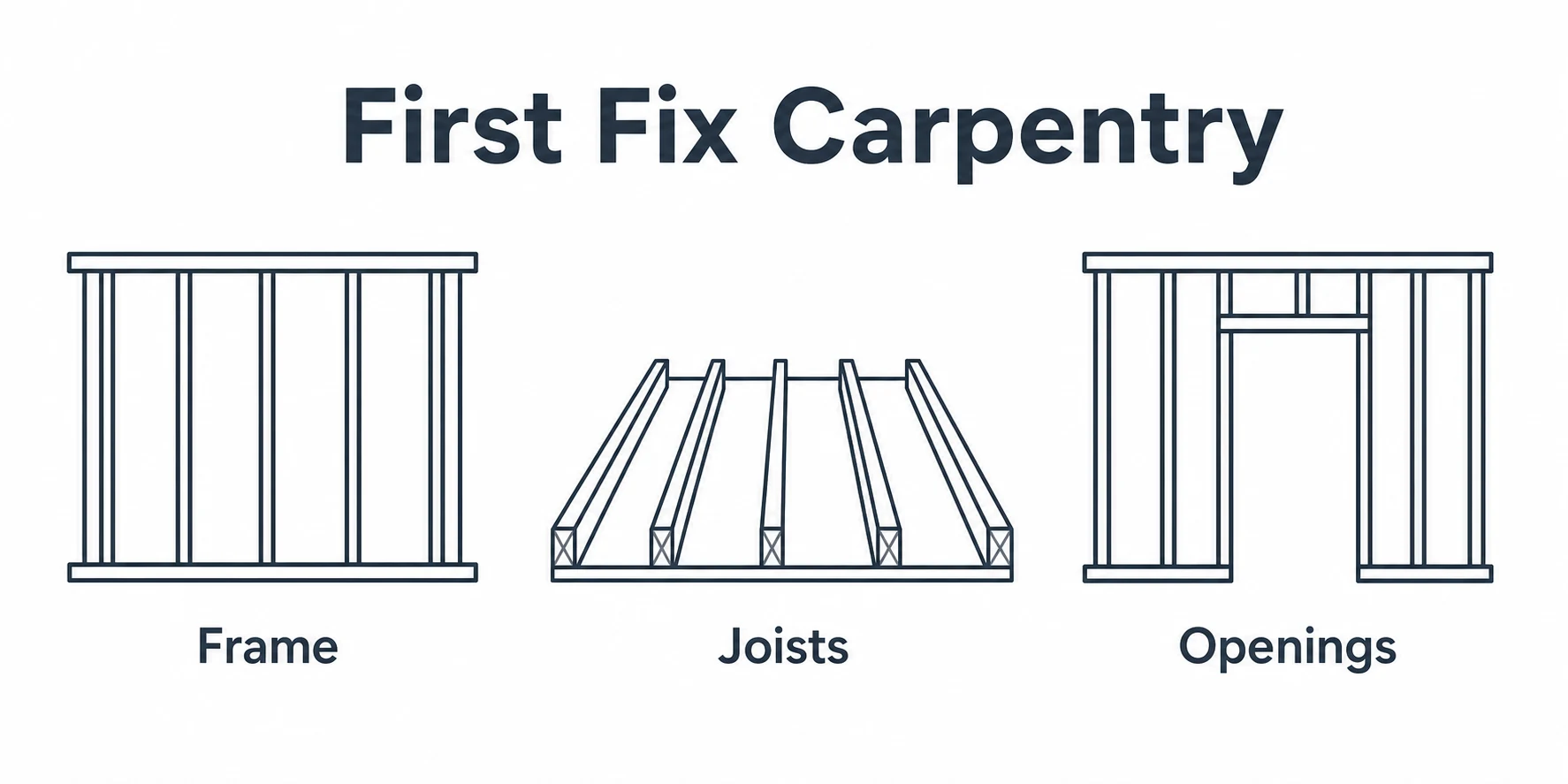
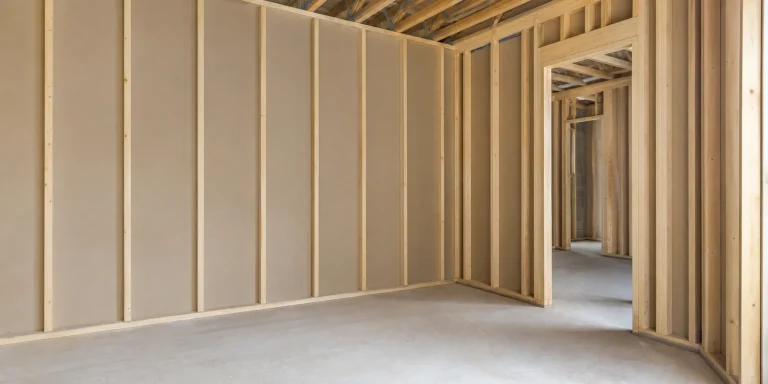
First fix carpentry covers the timber work that is installed before plasterboard, finishes and final fittings. It can include floor joists, roof timbers, studwork, structural openings, stair preparation, timber noggins and other hidden details that give the building its shape and support. On many projects, the fixing carpenter is one of the people who makes the plan practical on site.
The role starts with understanding the drawings, checking dimensions and confirming how the timber elements connect with walls, steelwork, masonry, insulation zones and service routes. Good 1st fix carpentry is not just about fastening timber in place. It is about setting out accurately, allowing for the sequence of work and making sure the structure is ready for everyone who follows.
A fixing carpenter will often work from levels, datum points and structural notes. They need to consider centres, spans, bearing points, restraints and the practical order of installation. If a detail is unclear, the right approach is to raise it early, before timber is cut and fixed. That habit protects the quality of the finished building because small questions at first fix can prevent bigger problems later.
Why joists need accurate setting out
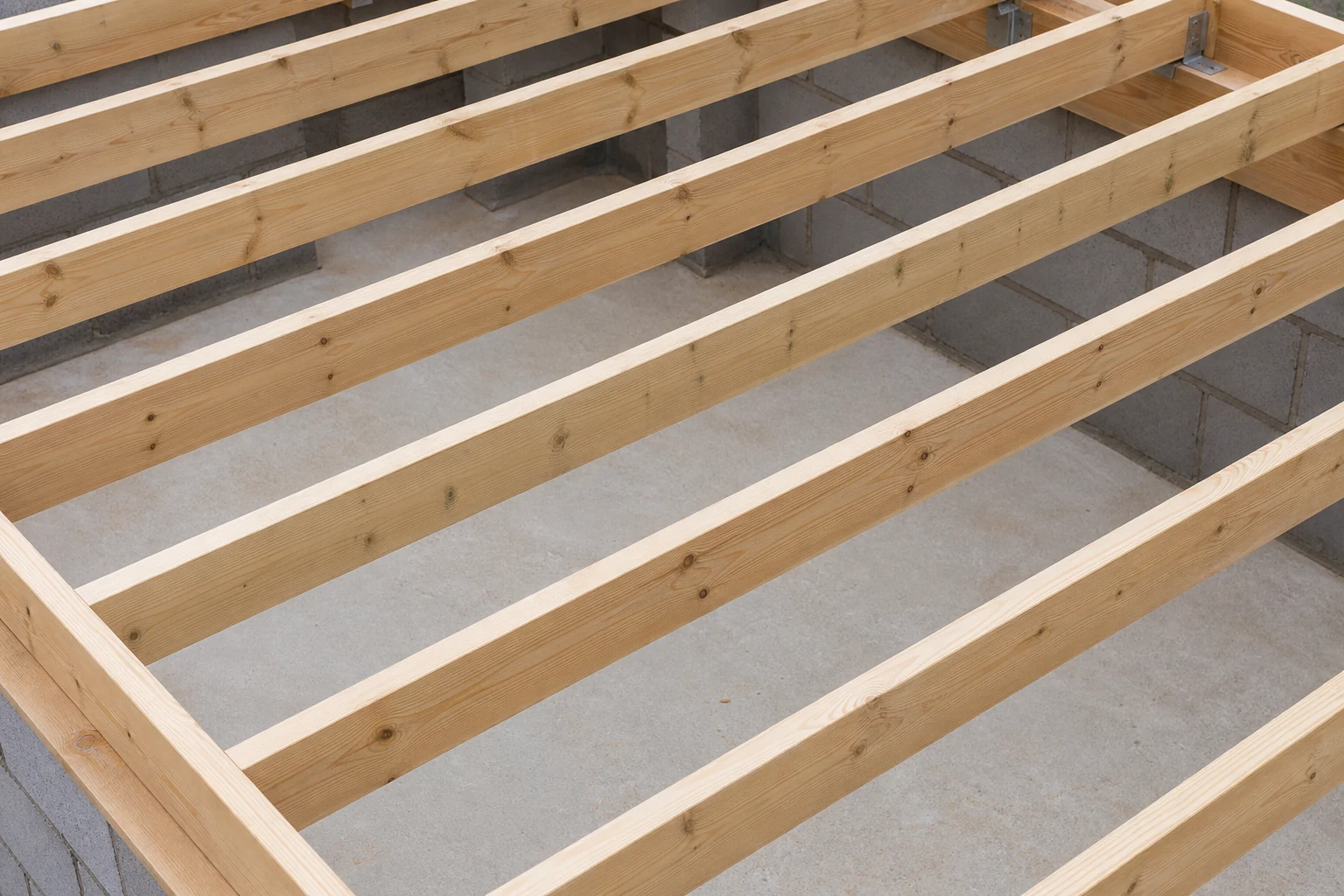
Joists have a simple job in principle, but they need careful setting out. Their spacing affects floor performance, ceiling lines, service routes and the way sheet materials or boards land on the frame. If joists are out of line, too high, too low or poorly supported, the issue can travel through the rest of the project.
Accurate joist work starts with checking the structure that receives them. Bearing surfaces need to be suitable, levels need to be understood and any hangers, straps or connectors need to be positioned as specified. The carpenter then sets out the joists so that openings, stair positions, service runs and edge details all make sense before the deck or ceiling is closed.
This is where experience matters. A fixing carpenter is not only looking at the timber in front of them. They are thinking about the plasterer, electrician, plumber, floor layer and joiner who will later depend on that frame. Neat joist lines make it easier to fix boards, form clean ceilings, keep floors consistent and avoid unnecessary adjustment in later stages.
Good joist installation also supports site coordination. Timber should be cut cleanly, fixed securely and kept in line with the project information. The result is a floor or ceiling structure that feels predictable to work around, which is exactly what later trades need.
How trusses depend on careful preparation
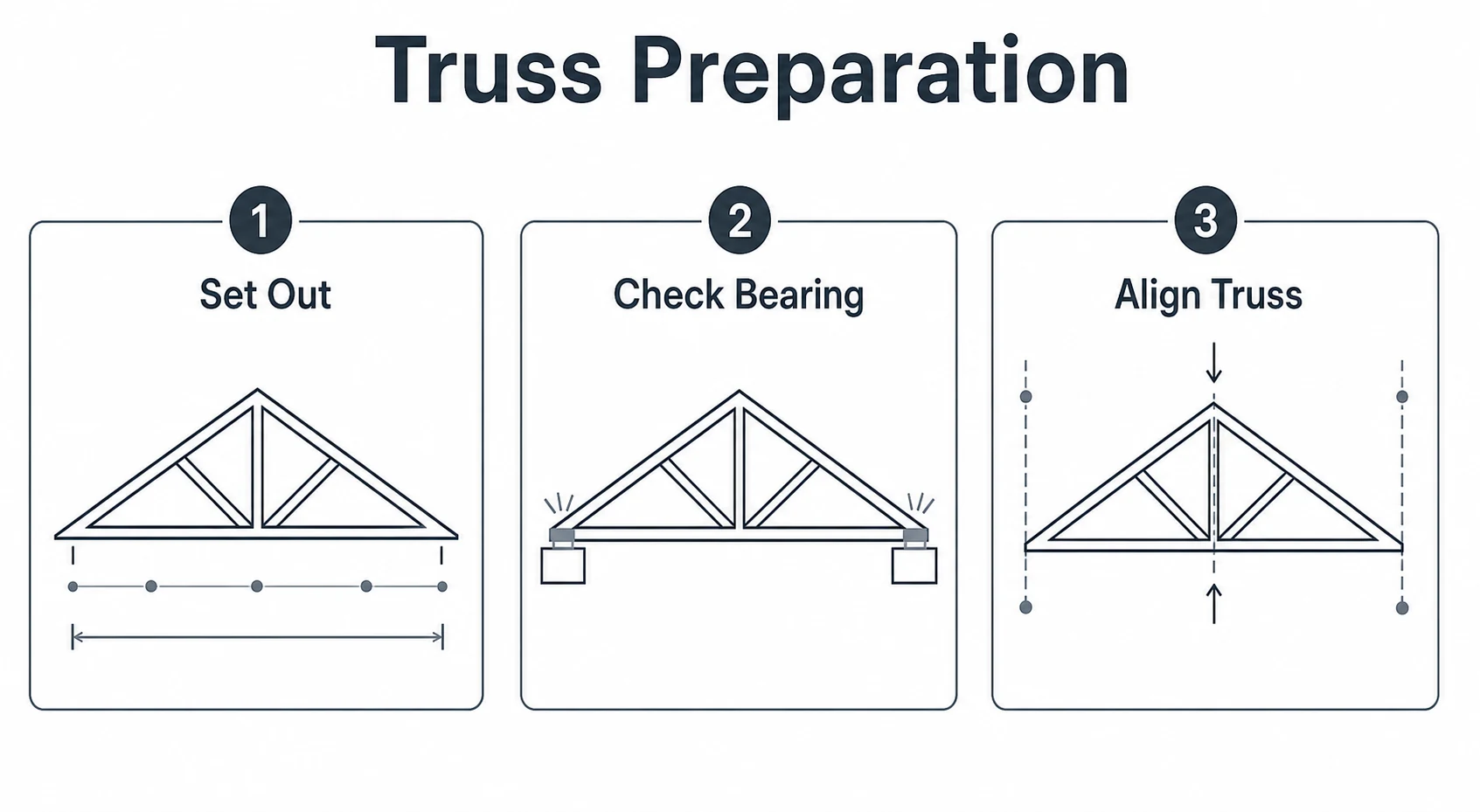
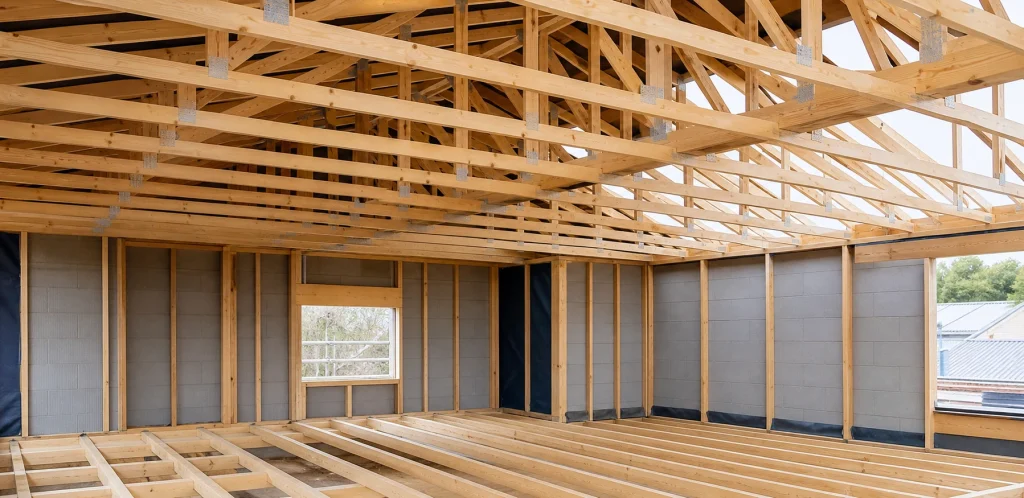
Trusses are designed to carry specific loads in a specific arrangement, so they need to be handled and installed with care. The work is more than lifting timber into position. Before trusses are fixed, the carpenter needs to check bearing points, wall plate positions, spacing, bracing requirements and the overall roof set out.
With roof construction, small inaccuracies can become very visible. A truss line that is not true can affect the roof plane, fascia line, ceiling line and the way roof coverings sit. Good preparation helps each truss land where it should, with the correct support and restraint. Temporary bracing also matters because it keeps the roof stable while the full structure is being completed.
Fixing carpenters need to follow the truss layout and any supplied structural guidance. They also need to keep an eye on practical details such as access, safe lifting, sequence and weather protection where relevant. None of this is about rushing. It is about giving the roof structure a clean, organised start so the next phase can continue smoothly.
For a closer look at how roof timbers work together, MW Carpentry also explains the relationship between joists, rafters and roof carpentry in more detail.
Where roof joinery meets wider construction
Roof joinery sits at the point where carpentry, structure and weather protection meet. The carpenter needs to understand how rafters, trusses, ceiling joists, binders, wall plates, noggins, fascias and related timber elements fit into the wider build. Even when some of these items are later covered, they still influence the finished roof.
Good roof carpentry gives later trades a reliable base. Roof coverings need straight planes. Insulation needs the right spaces. Services may need clear routes. Ceilings need fixing points. Openings need to be formed correctly. If the roof structure is tidy and accurate, the next stages become simpler and more controlled.
There is also a safety responsibility. Roof work can involve height, lifting, sharp tools and changing site conditions. A professional team keeps the working area organised, checks access and follows the planned method of work. The connection between skill and safety is important, and MW Carpentry covers this wider responsibility in its guide to site safety and the carpenter’s role.
How accurate first fix work helps later trades
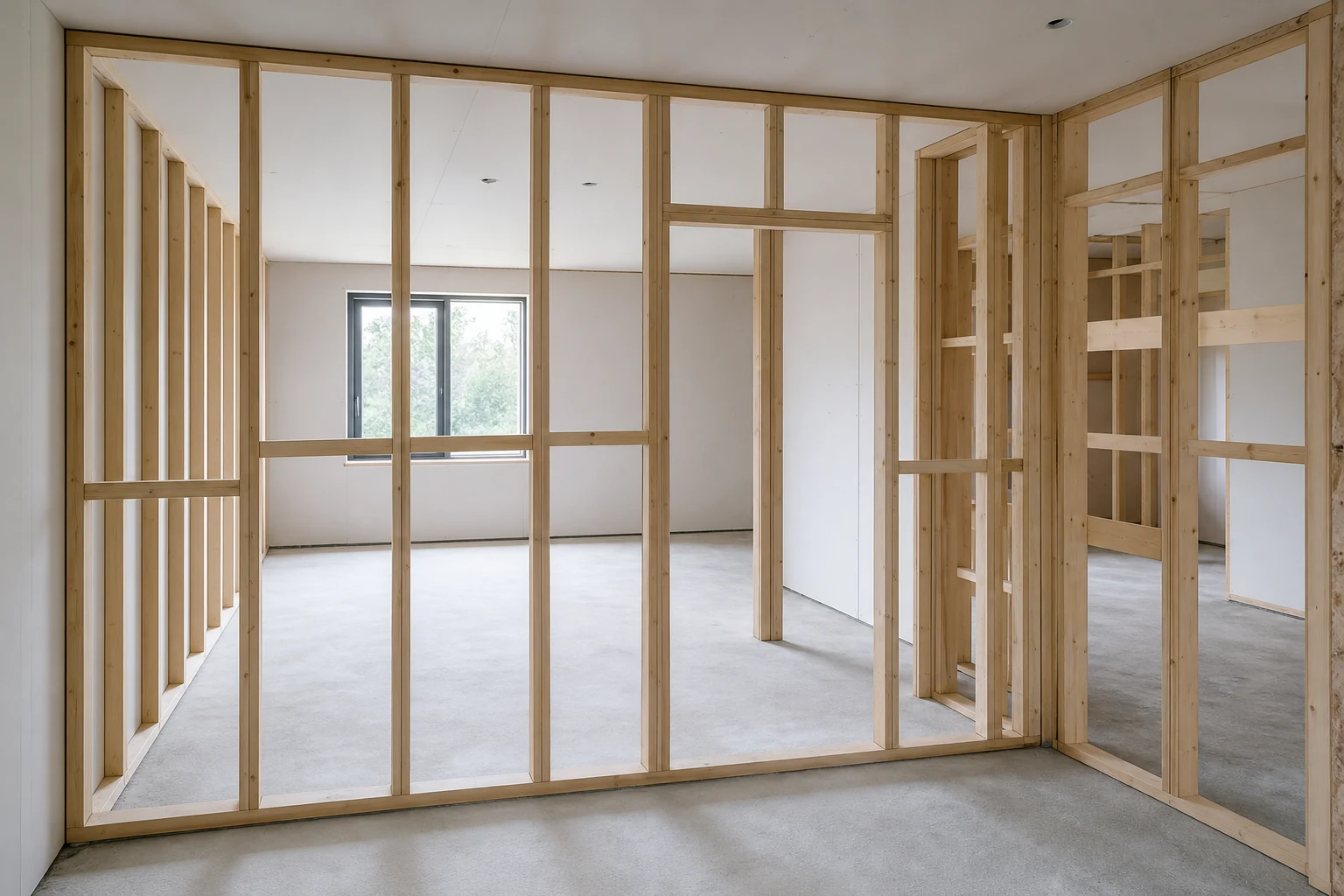
The value of first fix carpentry is often seen most clearly after the carpenter has moved on. When joists are straight, trusses are aligned and timber details are placed correctly, other trades can work from a dependable structure. That means cleaner boarding, neater service runs, better fitting finishes and fewer avoidable questions during the next stage.
Later trades depend on the decisions made during first fix. Electricians may need noggins and clear cable routes. Plumbers may need sensible service zones. Dry liners need straight frames and secure fixing points. Joiners need openings that are prepared correctly. Roofers need a roof structure that matches the intended form. The fixing carpenter helps create that order before the building is closed up.
Clients and contractors should expect careful communication as well as practical skill. Good carpentry teams check drawings, flag clashes, maintain tidy work areas and coordinate with site management. That combination of accuracy, awareness and workmanship is what makes first fix carpentry so valuable.
For MW Carpentry, the aim is straightforward: install the structural timber elements properly so the rest of the project has a strong base to build on. Joists and trusses may not always be the final surface people see, but they are central to the way the finished space performs.
- Fixing carpenters turn drawings into accurate first fix timber work before finishes are added.
- Joists need careful setting out because floors, ceilings, services and boards all rely on them.
- Trusses depend on correct bearing points, spacing, bracing and roof set out.
- Good roof joinery supports later trades by creating reliable lines, fixing points and service spaces.
- Careful first fix work helps the whole project progress with confidence.
Frequently asked questions
What is a fixing carpenter?
A fixing carpenter is a carpenter who installs timber elements on site, especially during first fix. Their work can include joists, roof timbers, studwork, noggins, structural openings and other carpentry that needs to be in place before finishes are added.
Why are joists so important in first fix carpentry?
Joists support floors or ceilings and give later trades a stable framework to work from. If they are set out accurately, boards, ceilings, services and finishes can be installed more neatly and reliably.
What should be checked before trusses are installed?
Before trusses are installed, the team should check the layout, bearing points, wall plates, spacing, bracing requirements and any structural guidance supplied for the project. Safe access and the lifting sequence should also be planned.
How does first fix carpentry affect the finished build?
First fix carpentry creates much of the hidden structure behind the finished space. Accurate timber work helps floors feel solid, roofs sit correctly, openings line up and later trades complete their work with fewer avoidable adjustments.
Planning first fix carpentry?
Speak to MW Carpentry about joists, trusses, roof joinery and the structural timber work that helps your project move forward with confidence.